After a very intensive week in the Dawson City Museum (DCM) archives, I am sorting, reading, and analyzing what I found. The documents scanned are interesting and contributing to the narrative(s) about the DCM’s development. In order to help with the analysis, the “Archival Research” series considers the stories archival materials tell, looking at the items I found most exciting.
Within this post, I am looking at a letter sent to the Dawson City Museum (DCM) Director from the Klondike’s MLA (Member of Legislative Assembly). Here it is (without contact information):
5.5.50 YTG grant etc re : repairing Dawson museum 1980. Box 5. Dawson City Museum Archives.
Why is the letter interesting?
In 1979, the Museum failed a fire inspection. The inspector wrote (in another letter I found fascinating):
To be completely honest, up until the time of the familiarization tour that you guided for the members of the Fire Department, I considered the Museum as a large “fire trap”. However, since the tour, I believe a more accurate term is a large “death trap”. These are dramatic terms, but I believe they are realistic
Rehn 1979, 1
The Museum did not have the funds to fix the “death trap” (otherwise known as the Old Territorial Administration building). Since the territory owned (and still owns) the building, the DCM asked the government to pay for at least some of the upkeep.
The Territory responded with a one-time grant of $14,000.The Minister noted,
the grant demonstrates the territorial government’s continuing commitment to develop Dawson as a major tourist destination point and to upgrade visitor facilities in the community. The museum is a tourist attraction but, more importantly, it also represents a significant part of Yukon’s heritage and culture.
(Senger 1980)
The MLA from Klondike was a member of the party in power and the Minister of Health and Human Resources. She was particularly interested in Yukon history and provided invaluable support internally for the museum to get the grant. She wrote the letter above in response to a thank you letter from the Museum. The letter made a specific reference to the Minister’s responsibilities:
As you must be aware, we were all pleased and somewhat overwhelmed at the generosity of the grant, and hope that every penny can be well spent… especially with respect to the washroom facilities… we don’t want to add to the Health problems of the Yukon if we possibly can!!!!
Museum Director 1981
The letter also thanks the Minister for her specific contribution, discussing its effects:
We understand that your support was invaluable and knowing your own particular interest in Yukon History, I am sure you will know how much more important this grant is to us. It leaves us free to continue planning for the summer, and a feeling of satisfaction that we have support in the Yukon Government for Yukon history.
Museum Director 1981
The Museum did, in fact, have support in the Yukon Government. Following the receipt of this funding, they were able to successfully advocate for a 2.9 million dollar renovation.
Is there broader relevance?
I think the letter shows a friendly attitude toward the Museum and the presence of advocates within government. For example, the Minister notes:
We couldn’t possibly star a tourist season without our museum opening, (with plumbing yet — no more dashes across the road to McDonald Lodge!)
See letter above
The quote demonstrates the Minister’s specific knowledge about the institution, which was not stated in the thank you letter – that is, they used the washrooms at McDonald Lodge. It also positions the Minister and Museum as a team and part of the same community with the use of “we” and “our.”
The friendly attitude and government support the letter demonstrates likely contributed to the support the Museum received in the 1980s. For more on the importance of good government relationships and awareness, check out post “The Importance of a Marvelous Lunch,” also addresses this theme.
Questions
What do you think? Do you think this letter is important in a consideration of the Dawson City Museum’s development? Why or why not?
References
Museum Director. 1981, January 28. Letter to the Minister. 5.5.50 YTG grant etc re : repairing Dawson museum 1980. Box 5. Dawson City Museum Archives.
Rehn, Rick. 1979, June. Letter to the Museum director. 4a.4.15: Fire inspection 1979, Box 4. Dawson City Museum Archives, Dawson City.
Senger, Dennis. 1980, January 8. “Repair Grant for Dawson Museum.” News Release. 5.5.50 YTG grant etc re : repairing Dawson museum 1980. Box 5. Dawson City Museum Archives.
In the 1970s, the Dawson City Museum began to professionalize due to the first year round director who used federal employment funding to support winter positions. Of particular significance, the Director and other employees began to reorganize materials into displays with a narrative, moving away from a “grandmother’s attic” approach to exhibiting the history of the region. For more information on the 1970’s see the timeline available here.
In the early 1980s, the Director resigned after warning the Museum’s society that they needed to provide more support because she was overworked. Her eventual resignation seemingly provided the impetus needed for the Society to expand and develop. As the Society began offering more support and developing committees, the territory also developed a museum advisor position and signed an agreement with the federal government, leading to funding for tourism related capital projects. As a result, the 1980s was a decade of change for the museum as it became more professional using a broad range of financial and non financial resources available from the federal government, territorial government, and the community itself.
1980:
The Dawson City Museum (DCM) opened late because they needed approval to open from the Fire Inspector who had asked for renovations. The Museum closed early because they did not have the staff to open holiday weekends (DCM Director’s Annual Report March 4th 1981).
Letter to the Director from the Fire Inspector. 4a.4.15. Box 4. DCM Files.
Building
The Museum worked to meet requirements from the Fire Marshall (DCM Minutes January 21 meeting), using a $14,000 grant from Yukon Government provided for building repairs (DCM Director’s Report for November). They used the special grant to do electric work, plumbing, carpentry and fixing broken windows (DCM Director’s Report for August).
Collections
Museum staff worked to better store artifacts:
in order to meet Fire Marshall requirements (DCM Minutes January 21 meeting).
using funding from the Yukon Tourist Advisory Board to purchase materials to organize the artifacts at Bear Creek (See additional information under staffing and Yukon support; DCM Director’s Annual Report March 4th 1981).
The Museum received:
many donations of archival material and mining equipment.
a steppe mammoth tooth (DCM Director’s Annual Report March 4th 1981).
Exhibitions
Two pistols were stolen from the Museum’s exhibition and later recovered (DCM Director’s Annual Report March 4th 1981).
Fundraising / Earned Revenues
The Museum continued their gift shop services. They:
received around 300 license plates from the MacBride Museum and sold them during the summer (DCM Minutes January 21 meeting).
sold coloring books (DCM Minutes April 1 meeting).
The Museum had contracts that helped generate money, such as:
a cataloguing contract with Parks Canada. In January they had typed 430 cards and mounted 270 (DCM Minutes January 21 meeting). Additional Parks Canada contracts are described in: DCM Director’s Report for November.
a contract to research flood levels from the Water Resources Board (DCM Director’s Annual Report March 4th 1981).
The Museum doubled its admission fees for adults from $1 to $2 (DCM Director’s Annual Report March 4th 1981).
Staffing
The Director noted 1980 was a year of turmoil because she attempted “to cover too many bases at once” and there was a lack of community involvement within the Museum Society (DCM Director’s Annual Report March 4th 1981).
During the summer:
The Museum experienced high staff turnover, starting the season with six staff and ending with only three. Nineteen people turned down a position at the Museum and many cited low wages as the reason (DCM Director’s Annual Report March 4th 1981).
A student work grant enabled six students to clean the Bear Creek Warehouse, install metal shelving, and re-box / store artifacts (DCM Director’s Annual Report March 4th 1981). A later report noted that “upwards of 13 persons were hired” (DCM Director’s Report for November).
1981:
Programming (Other)
The three year Klondike Heritage Services project began, involving work on the resource centre, education programs, audio-visual materials, registration and collection, photography, displays, and more (DCM Klondike Heritage Services Report).
improved services to both visitors and the community. This may be realised by upgrading exhibits; developing new exhibits; implementing a đocumentation program through historical research, cataloguing artifacts in the collection, archival organization, and genealogical work re Klondikers; organizing a visitor/community services program through audio-visual programs, travelling exhibit preparation, implementing public access to documentation. On-the-job training will be provided, which will create a nucleus of locally qualified people from which permanent staff may be hired in the near future.
Jones-Gates 1981, 7
Staffing
The Dawson City Museum received a $133,000 “work grant” from the Department of Employment and Immigration’s Canada Community Services Program, which funding the Klondike Heritage Services Project (DCM Director’s Annual Report March 4th 1981).
The Museum’s Director noted she may resign, pointing to a lack of support for the job (DCM Director’s Annual Report March 4th 1981). In particular, the Director had to engage in bookkeeping and treasurer work for which she was not trained (See, for example, documents available in Klondike heritage services programs final report January 1982, Box 5, Dawson City Museum Archives).
1982:
Building
The Old Territorial Building received funding through the Canada-Yukon Tourism Agreement for the foundation and fencing for the locomotives (Yukon 1983; DCM AGM President’s Report November 26 1982).
The Museum established a collections committee and engaged in collections work as described under staffing (DCM Klondike Heritage Services Report).
Earned Revenues/ Fundraising
The Museum had to approve a deficit budget due to financial concerns, which lead to energies being redirected to local fundraising, contracts, and so on.
Exhibitions
With the help of volunteers, the Museum improved the south gallery with a newspaper office, second hand store, and a fire display. The north wing was reorganized to include an audio visuals room (DCM Klondike Heritage Services Report).
The Council chambers / Courtroom was used for the following temporary exhibitions (DCM. Box 5. 7.7.42. Exhibitions, displays, expositions and fairs Gallery 1982):
June 7-30:
Drawings of the planned building restorations
Art display by students, depicting dogs and dog sleds
July 1-8: Photo exhibit from the Museum’s collection titled “Kids in Dawson”
July 9-August 18: Norther Fibres Guild Exhibit
August 19-25: Arts Camp show from the Music Festival’s summer camp.
Governance
The DCM began a review of its constitution and bylaws, but stopped due to financial limitations (DCM AGM President’s Report November 26 1982).
Programming (other)
The Museum increased its opening hours and expanded its programming to include genealogical research, historic photographic services and film presentations (DCM AGM President’s Report November 26 1982). The film presentations included (DCM. Box 5. 7.7.42. Exhibitions, displays, expositions and fairs Gallery 1982):
Land for all Seasons: a slide show on the Dempster Highway
The Yukoner: a film on Sourdough Harry Leamon
Dawson Film Find: a selection of silent films unearthed in Dawson in 1978
City of Gold: Film on Klondike history
Museum staff and volunteers used their experiences from past Parks Canada contracts to create finding guides for archival material in the resource center. A photographer also worked to copy original prints to better facilitate making prints for display or sale (DCM Klondike Heritage Services Report).
The Museum put on a workshop with the YHMA, addressing ethics and artifact ownership, collection policies, heritage laws, archaeological methods of gathering and recording information, and cataloguing procedures (DCM Klondike Heritage Services Report).
Staffing
The Museum’s director resigned (DCM AGM President’s Report November 26 1982).
The Museum continued to receive staffing through funding programs, including (DCM Klondike Heritage Services Report):
two students hired through a federal grant. They worked in the resource center.
a student hired through a federal grant served as a visual arts guide, showing the Dempster highway slide show and movies to visitors. The student also helped with genealogy inquiries.
six students were hired to catalogue, photograph, and store artifacts. One of the students was a Conservation student at Queen’s University.
Staff worked to “train themselves,” using opportunities available outside the Yukon (DCM Klondike Heritage Services Report).
1983:
Attendance was down 30% (DCM Board minutes July 12 1983).
Building
As part of the Canada-Yukon Tourism Agreement the Old Territorial Administration Building received $125,000 for roof reconstruction (YLA 25.3.38).
Around Christmas time, the Museum also received notification of $200,000 in funding to replace the foundation. As stated in a newsletter from the time:
The Museum received quite a Christmas present this year. The Department of Renewable Resources, Heritage Branch, made $200,000 available to replace the foundation of the Old Territorial Administration Building which presently houses the Museum. The happy news was due in large part to the efforts of Dale Perry, Bea Firth, and Terry Weninger, and it is to them we offer our heartfelt thanks
Dawson City Museum and Historical Society 1983, 40
The funding for the foundation was timely and necessary as a report found that 26% of the foundation posts had failed and 35% had rotten to a unsalvageable level. The Museum expected CYTA funding to repair the foundation but were not considered eligible (Ross 1982).
The Museum used a CYTA (Canada Yukon Tourism Agreement) grant to put fencing around a train (Dawson City Museum and Historical Society, 1983).
Collection
The Museum actively used a hygrothermograph from the CCI to monitor the environment and began checking the UV levels in the building (DCM Board minutes July 12 1983; DCM Board minutes July 26 1983; DCM Minutes May 17 1983).
The Collections Committee used the new aims and objective to assess a portion of the collection, resulting in de-accessioning work (DCM Board minutes July 12 1983).
Artifacts were unearthed as part of the work on the Old Territorial Administration Building’s foundation (DCM Minutes February 22 1983).
Earned revenues / Fundraising
In Augusts, the Museum cut their hours of operation to save on staff costs because admissions were down (DCM Board minutes August 9 1983).
The Museum raised money during the Canada Day celebration (DCM Board minutes July 12 1983).
Exhibitions
The Museum set up the “Courtenay collection” (DCM Board minutes August 9 1983). There was also a display of art and photography (DCM Minutes May 17 1983).
A staff member began planning an “Aboriginal Gallery” but the person quit, delaying the project (DCM Board minutes July 26 1983).
Governance
Aims and Objectives adopted
The Constitution continued to undergo revisions (DCM April 5, 1983 Minutes; DCM Board minutes October 4 1983).
The Museum society engaged in a membership drive (DCM April 19, 1983 Minutes).
The Board developed active committees with 9 committees providing direction to the Society (Ross 1983).
Programming (Other)
The Museum organized a workshop with support from support from the Council for Yukon Indians, the MacBride Museum, the Yukon Lotteries Commission, the YTG Heritage Branch and CP Air. The workshop addressed the importance of documentation in a museum collection (YHMA 1983).
There was a summer audio-visual program with a slide show and excerpts of a silent movie (Dawson City Museum and Historical Society, 1983).
The Museum developed 8 class room programs (Ross 1983).
Staffing
The Museum entered the third year of the Klondike Heritage Services Project, which involved grants for employees, and received funding under the Winter Works Grant for additional employees. As stated in a newsletter:
In 1983, we entered our third and final year of the Klondike Heritage Program. Two positions are sponsored by this grant; registration/ cataloguing and historical research. Under the Winter Works Grant there are three positions: photographer, who will begin copying and restoring that part of the museum collection; education officer, who will institute an education program for schools, and librarian, who will continue developing the library and resource centre. As an indication of the success of the resource centre, over 200 inquiries were answered last summer
Dawson City Museum and Historical Society, 1983
The Museum continued to hire staff, using a system of grants (Grant 1983):
1983 was the last year of the Klondike Heritage Services Programme, which used a Canada Community Services Project grant to fund a range of positions.
the Winters Work Project allowed staff to work in photography, research and educational programming.
the Artifact Management Programme provided a registrar, catalogues, and a photographer for the summer of 1983.
YTG Special Employment Assistance Program for Yukon Students allowed the museum to hire a genealogy researcher and assistant for the resource center.
the Summer Support program provided four students.
1984:
Building
The Yukon Territorial Government funded additional plans and activities to restore the Old Territorial Administration Building. The Minister of Economic Development and Tourism explained the support as follows:
What it is is to do the architectural planning for reconstruction of the inside of the building, and to actually restore the inside of the building back to what is necessary for a museum and also with respect to the old legislative chambers. We have already expended in the neighbourhood of $1.2 million on the building to date. This is probably the final money that will be expended on the building and it will be back in a condition where it is stable and where we can utilize it to full advantage.
Landscaping work began at the Museum (DCM Meeting minutes May 29, 1984).
Collections
The collection contained about 30,000 objects and only a third was catalogued (DCM Collections Committee Report for 1988-9). However, the Museum developed a collections policy and worked to address the uncatalogued items (Thorp 1984).
Exhibitions
The Museum opened exhibitions on Moosehide, commissioners, and the Herschel Island (DCM Meeting minutes July 10, 1984).
Governance
Statement of Intent, Collections Policy and Personnel Policy adopted.
Management Plan developed with the assistance of Brenda Berk.
Staffing
The Katimavik program provided volunteer support (DCM Meeting minutes January 10, 1984).
The Museum received a Winter Works grant for three people (DCM Meeting minutes January 10, 1984).
1985:
Due to financial difficulties, the Museum had a shorter season with less staff. While there was a slight decrease in visitors, there was an increase in the number of local residents visiting the Museum (DCM Directors Report November 15 1985).
Building
The Old Territorial Administration Building Restoration continued (YLA 26.2.4)
Collection
The Museum engaged in work on the photograph collection. In particular (DCM Directors Report November 15 1985):
The collection was organized into categories.
A Yukon Lottery Commission grant enabled the Museum to purchase a copy camera.
The Resource Centre Co-ordinator evaluated the books, magazines and periodicals according to the Museum’s Collections Policy and submitted items to the Collections Committee for Review (DCM Directors Report November 15 1985).
Exhibitions
The Museum produced its first traveling exhibition, which used the photography collection. The exhibition was titled “Klondike Youth, a Photographic Display” (DCM Directors Report November 15 1985).
Following the recommendations from the Management Study, the Museum stopped conducting guided tours of the Museum during the summer. Instead, they increased the signage to provide information on the Klondike and allow visitors to tour the museum at their own pace (DCM Directors Report November 15 1985).
Committees – Display. 11.11.33. Box 9. DCM.
The Museum opened the IODE, YOOP, Klondike Mines Railway, and Percy DeWolfe exhibits. The Visitor Reception Centre also hosted a small promotional exhibit from the Museum (DCM Directors Report November 15 1985).
Fundraising / Earned Revenues
The Dawson City Museum developed a cafe:
…the request for the installation of a cafe was requested by the Dawson Museum Society, and it was in response to a number of representations made by the public and, for the most part, included tourists visiting Dawson City and visiting the museum itself. My understanding as to the intention as to the management of the cafe is that it will be leased out to a local Dawson business. They expect significant operating revenues from the operation of the cafe
The Museum developed a manual for the gift shop (DCM Directors Report November 15 1985).
Governance
The Board now had the following committees: finance, display, collections, membership, fundraising, newsletter, executive, and liaison for the OTAB renovations (DCM AGM Minutes November 15 1985).
Programming (Other)
The Museum’s Porter Engine 4 was installed at Expo ‘86’s pavilion entrance (YHMA 1986).
The Museum completed a walking tour book of Dawson, which was written as part of a past contract with Parks Canada (DCM Directors Report November 15 1985).
The Resource Center was a popular resource (DCM Directors Report November 15 1985).
Staffing
The Museum had to reduce the number of staff hired due to financial difficulties (DCM Directors Report November 15 1985).
The Museum continued to use grant programs to fund employment (DCM Directors Report November 15 1985):
A federal Manpower grant enabled the Museum to hire 4 people for 21 weeks to organize the photograph collection.
A summer student grant enabled the Museum to hire 6 students: 3 full time and 1 part time guide / security staff, a gift shop manager, and an archivist/resource centre coordinator.
The Director did a short term study tour of archives and museums in Ontario, spending 10 days at the Public Archives of Canada. She also attended the Heritage North Conference and a YHMA conference (DCM Directors Report November 15 1985).
1986:
The Dawson City Museum (DCM) closed to visitors for renovations (DCM Presidents Report November 15 1985). However, they opened in the summer in the B.Y.N (British Yukon Navigation) Ticket Office thanks to an agreement with Parks Canada (DCM Newsletter Vol. 4 No. 2)
1987:
Building
The YTG continued to fund the Old Territorial Administration Building renovations (YLA 26.3.72). In particular, they provided funding to make a train shelter to protect a newly restored engine and other trains (DCM Acting Director’s Report).
Collections
As part of YTG funding for major artifact stabilization, the Dawson City Museum receives funding for three trains (YLA 26.3.6)
Exhibits
The DCM received $50,000 from the YTG for a major exhibit development project (YLA 26.3.7). The Museum planned “Kings of the Klondike” for the South Gallery, which was also called the “big black box” (DCM Acting Director’s Report).
The Museum opened a community quilt display. They produced a catalogue for the exhibit, which was the first one produced by a Yukon museum (Crook 1987).
Carpenters (See LEOP employment under staffing) made desks, tables, benches and display cases throughout the Museum (DCM Acting Director’s Report).
The Museum held the first Multi Artist, Multi Media Art Show in Dawson – in recent memory (DCM 1988).
Programming (Other)
The Museum published “Heirlooms – a collection of Theme Quilts handcrafted by the Community of Dawson City” with support from YTG, YLC, Canada Council and volunteers (DCM Acting Director’s Report). See exhibitions for more information.
Staffing
The DCM continued to use employment programs to fund staff (DCM January 5 1987 Minutes), including:
The Local Employment Opportunities Program (LEOP) provided funding for three carpenters (DCM Acting Director’s Report).
The Canada Yukon Job Development Program provided funding for a retail clerk, two researchers, and an administrative assistant (DCM Acting Director’s Report).
1988:
Building
Milne House and Bear Creek – Artifact Storage
The CCI found these locations inadequate for artifact storage (DCM Collections Committee Report for 1988-9).
Old Territorial Administration Building
There were problems with leaks, such as a leak due to snow that damaged an original print and negatives. The landlord (Yukon Territorial Government) noted they would monitor the leaks (DCM Acting Director’s Report March 1988). Additional problems developed, prompting and “OTAB in Crisis” meeting (See documents available in Correspondence regarding restored building, box 16b, DCM Archives).
Exhibitions
The Museum opened a new exhibition in the South Gallery and began planning for a revived North Gallery (DCM Display, Finance and Membership Reports).
The Museum held the second annual multi-media, multi-artist art show in the courtroom (DCM Newsletter Vol 7 No 2).
Programming (Other)
The Museum held the following events:
April: AGM
May 31: Grand Opening of the Museum and New Gallery
August – September: Second annual Yukon Expressions Art Show
October 1988: Venetian Carnival Mask Slide Show
December:
Open House and Charity Coffee House Concert
Christmas Film Night
Staffing
The Director / Curator attended a museum management course in Banff, which was funded through the Canada / Yukon Small Business Training Program and Lotteries Yukon. Lotteries also funded a staff persons at the Museum (YHMA 1989, January; DCM Director’s year end report Aril 28 1989).
The Museum continued to use short term grants for employees, including:
federal grants for student summer employment, such as Challenge ’88 (DCM Director’s year end report Aril 28 1989).
a Canadian Council of Archives grant for archival work (DCM Director’s report July 4, 1988).
1989:
Collections
The Museum received funding from Yukon’s Community Development Fund to produce a photographic finding aid (YHMA 1989, September).
During February and March, the Museum used funding from the YTG Heritage Branch to catalogue the objects in the North and South Galleries. There were plans to do a Bear Creek inventory as well (DCM Collections Committee Report for 1988-9).
The Museum received a grant to work on the “Artifact Inventory Backlog Project” (Baggaley 1989).
Exhibitions
The Museum held a multi-media, multi-artist art show in the courtroom (DCM Newsletter Vol 7 No 2).
Fundraising / Earned Revenues
The Museum received funding from the Yukon Foundation to produce a notepaper that depicted Indigenous cultures (YHMA 1989, September).
Governance
The Museum’s Society developed Continuing to Grow – a five year master plan.
Programming (Other)
The Museum held the following events:
February: Heritage Day Open House
March: Volunteer / Staff appreciation night
April: AGM
Science Institute lectures throughout the year
Staffing
The Collections Committee argued a lack of continuity in staffing was a barrier to conserving and cataloguing the collection appropriately. In other words, short term staffing allowed projects to take place but the funding programs and their short term nature contributed to discrepancies in the work completed (DCM Collections Committee Report for 1988-9).
The Museum continued to use short term grants to fund employment, including:
a grant from Lotteries Yukon for an office position (DCM Newsletter Vol 7 No 3)
There is evidence summer staff were struggling to find accommodation:
The Museum is desperately seeking accommodation (room and board, or private accommodation) for two students this summer.
DCM Newsletter Vol 7 No 4
Government Policy
First Nation
The Lord Report (1986) contains an overview of (what was called) the Dawson Band. During the 1980s, major concerns included:
the loss of the Han language
city regulations about the facade of buildings, which did not consider Indigenous architecture and contributions
the lack of acknowledgement of Indigenous contributions to the Gold Rush period in Parks Canada interpretations
Moosehide’s lack of preservation
The following quote summarizes the relationship between the Band and heritage professionals in Dawson at that time:
Although the Dawson City Museum gives the Band copies of photographs of Moosehide, there has been relatively little contact recently. It is striking to observe the valiant efforts of a small population of Band members (about 200 in all) to preserve a culture that is anthropologically of considerable significance, without assistance from the large number of heritage professionals in Dawson, where scrupulous care is taken to preserve non-native history since 1896. The implicit question of priorities is one to which a museum policy might give some attention.
Lord Report, 58
1982: The Council of Yukon Indians (CYI) asked the government not to table a Green Paper on heritage policy (McCall 1982).
A CYI representative presented a paper at a the Yukon Historical and Museums Association workshop on heritage policy (see community below). The paper outlined the shortfalls in Yukon heritage management and the participation CYI seeks for the future. He noted there was / were:
a lack of appreciation of the relationships between cultural resources and the contemporary.
a lack of Indian managerial museum involvement, local museum expertise and proper facilities
bias in education system
inter jurisdictional issues
As such, the CYI asked that Indigenous cultures and traditions be:
interpreted by Indian people – for Indian people
Porter 1982, 25
1984: A new “Indian Band Building” opened in Dawson City (DCM Meeting minutes May 29, 1984)
Federal
The Lord Report includes a chart showing Museums Assistance Program grants to Yukon museums from 1972 – 1986:
Chart from Page 11 of the Lord Report
1980:
Canadian Conservation Institute (CCI)
The CCI introduced a mobile conservation service with six mobile labs traveling to all regions of Canada, which had started as a pilot program in 1979 (McCawley and Ward 1980).
One of the labs visited the DCM in August 1980, providing a report that outlined security problems and deficiencies in the protection of the collection (DCM Director’s Annual Report March 4th 1981).
1981:
Canadian Conservation Institute (CCI)
The Canadian Conservation Institute’s mobile conservation laboratory service came to Yukon. The Museums Assistance Program also had a conservation assistance and upgrading equipment assistance available (YHMA 1981b).
General / Other
There was a 39.6 million dollar, Department of Communications fund, supported through lottery revenues, to assist arts and culture programs over 3 years. There was a “Capital Assistance to Custodial Cultural Institutions” component (YHMA 1981a).
Parks Canada
Relationships with Parks Canada employees enabled training for DCM employees. For example:
[Employee name] has also been hired to assist with cataloguing. She is currently receiving three months training by … [the] Curator of Collections for Klondike National Historic Sites. In a cooperative venture, KNHS will provide [the employee] with on-the-job training in exchange for her “free” labor to that organization for this three month period.
Jones-Gates 1981, 8
1982:
Employment Policy
Manpower grants continue to be valuable to the Museum (DCM AGM President’s Report November 26 1982).
National Museums Corporation (NMC)
National Museums Corporation employees also provided assistance to Yukon museums. For example, they were resourse people for a Yukon Historical and Museums Association workshop (McCormack 1982c).
Parks Canada
Parks Canada support was described as integral to the DCM’s operations (DCM AGM President’s Report November 26 1982). The support included:
Contracts, such as a contract for cataloguing services
Resources to create engineering and architectural studies as well as the designs for the Old Territorial Administration building
1984:
National Museums Canada (NMC)
The NMC provided funding for a planning study related to proposed renovations (Dorais 1984). They also commented on the Dawson City Museum’s plans for the Old Territorial Administration Building, asking that an elevator be installed (DMC Meeting minutes July 10, 1984).
1985:
Canadian Conservation Institute (CCI)
The Canadian Conservation Institute did a collections survey of five Yukon museums (Lord Report).
Parks Canada
Parks Canada staff served on the Dawson City Museum board and committees (DCM Presidents Report November 15 1985).
1986:
General / Other
A Study Team Report to the Task Force on Program Review (Nielsen Report) – stated artifacts from the Yukon have been replaced and should be returned to the Yukon (YLA 26.3.72).
Parks Canada
Parks Canada assisted the Museum as it closed for renovations, providing exhibition space during the summer and artifact storage (See correspondence available in: 11.11.34 committees – display, correspondence 1985 86, Box 11, Dawson City Museum Archives).
1987:
Canadian Conservation Institute (CCI)
The CCI presented “Seminar and Collections Survey for Museums and Galleries in the Yukon” in Dawson City and Whitehorse (CCI 1987, December).
National Museums Corporation (NMC)
The NMC’s mobile exhibits visited the Yukon (Crook 1987).
1988:
Canadian Conservation Institute (CCI)
The CCI presented “Construction of Mannequins for Historic Costumes in Whitehorse, Yukon (CCI 1989, Spring / Summer).
The CCI published Survey of Collections in Yukon Museums, March 1988
1989:
Canadian Conservation Institute (CCI)
A member of the CCI’s extension services attended a Yukon Historical and Museums Association annual meeting, presenting on the available services (CCI 1990, Autumn / Winter).
The CCI offered the following services (Communications Canada 1989):
Emergency Services: Responded to all requests in emergency / disaster situations across Canada.
Professional Field Activities: Provided on-site technical and professional assistance.
Technical Advice: Answered questions or provided advice that did not require laboratory treatment or research.
Treatment Services: Undertook conservation treatment projects for Canadian Institutions.
Access to Laboratories and Equipment: Allowed access in certain situations.
Conservation Research
Scientific Analysis and Treatment: Made equipment and personnel available to answer specific problems.
Extension services:
seminars
workshops
professional conferences and symposia
publications
internships
fellowships
tours of CCI laboratories
training resources
library services
Canada – Yukon
During the 1980s, museums receive support through the Canada-Yukon Subagreement on Tourism.
Importantly, as the territorial museum program developed, Yukon received more support through the federal museum policy. As the Lord Report observes:
Federal funding and technical assistance programmes have only begun to benefit the Territory’s museums significantly in recent years, especially since the appointment of a YTG Museums Advisor.
Lord Report, Vi
1980:
Tourism Policy
The first Canada – Yukon Subagreement on Tourism was signed in February. The purpose of the agreement was to undertake programs and projects immediately identified as integral to long term tourism development. The second was to undertake planning activities. The agreement involved a combined investment of 6 million with a YTG investment of 15% or up to $900,000 (source). It led to support for the DCM, including (DCM President’s Report AGM 1980):
funding to install fences around the old locomotives
a commitment to repair the Museum’s foundations
1981:
Explicit Museum Policy
The Director of the Territorial Tourism Planning & Development Branch met with the National Museums regarding possible funding for the Dawson City Museum’s planned work on the Old Territorial Administration Building (Graham 1981, June).
1982:
Explicit Museum Policy
The Yukon Museums and Historical Association noted the development of a heritage branch within the Yukon Territorial Government was beneficial to museums because it would enable better access to cost-sharing federal programs (YHMA 1982).
1983:
Explicit Museum Policy
The territorial archives and Heritage Branch worked with the Yukon Historical and Museums Association to provide conservation workshops with members of the Canadian Conservation Institute (YHMA 1983b).
The territorial Museums Advisor worked to improve working relationships with the National Museums of Canada’s Museums Assistance program, touring Yukon museums with the MAP advisor and meeting with the MAP director in Dawson (DCM 1984 Annual General Meeting Minutes).
1985:
Tourism Policy
There was a new Canada -Yukon Tourism Agreement that aimed to increase tourist expenditure, reduce seasonal fluctuations, and generate more jobs with tourism industry support, market development, and product development (Lord Report).
1987:
Explicit Museum Policy
Museum Assistance Program funding in 1986/1987 allowed the Yukon Heritage Branch to purchase conservation monitoring equipment for museums and an upright freezer (Heritage Branch 1988).
1988:
Explicit Museum Policy
The Federal Department of Energy, Mines and Resources provided funding (58,000) to the Heritage Branch to assess and promote a “cold storage” mode for humidity protection being developed by Yukon museums (Heritage Branch 1988).
The National Museums Corporation’s Conservation Assistance Program enabled YTG to hire a conservator through a shared funding program (Ibid.).
After the Canadian Conservation Institute terminated a mobile lab program, Yukon received a transfer of a mobile van (Ibid.).
1989:
Explicit Museum Policy
The Yukon Heritage Branch organized a seminar with the Canadian Conservation Institute at the MacBride Museum (YHMA 1989).
The Museum Advisor worked with an individual from the federal Museum Assistance Program to develop a Registration Assistance Program application (Aczel 1989).
Territorial
The 1986 Lord Report provides a wonderful chart of territorial support to community museums in the 1980s:
Chart from page 26 of the Lord report, showing grant amounts
Importantly, the 1980s saw the growth and development of an explicit museum policy. However that policy continued to exist within a broader tourism strategy. As the Lord report observes:
From the beginning, Yukon’s museums have experienced an inherent contradiction in their sense of mission: conceived by groups representative of their communities as a means of preserving and interpreting Yukon’s heritage, they have been perceived by other members of their communities as tourist attractions. This impression has been strengthened by their season operation, and their public programming oriented until recently almost exclusively toward summer visitors. Most of the Territorial contribution to their funding before 1982 came from the Department of Tourism, and indeed Heritage Branch is still found within that Department.
Lord Report, 113
1980:
Tourism Policy
Museums continued to receive funding as tourism organizations, including an operating grant (total = $20,000, YLA 24.3.10) and the Tourism Attraction Contribution (total = $30,000, YLA 24.3.21).
Funding from theYukon Tourist Advisory Board for $11,870 allowed the DCM to purchase metal shelving and other materials for the collection project described above (DCM Director’s Annual Report March 4th 1981).
Explicit Museum Policy
The Minister of Tourism notes there would probably be a discussion paper on museum policy in the near future and legislation presented by Fall 1981 (YLA 24.3.24)
1981:
Explicit Museum Policy
The Ministers responsible for Tourism and Economic Development as well as Education and Information met with the Yukon Historical and Museums Association about the Kyte Report (see community below). They were reviewing the report to develop a reply in April (YLA 24.4.19).
Responsibility for museums was transferred to the Department of Library and Information Resources (YLA.24.4.19).
The Department of Library and Information Services became the Department of Heritage and Cultural Resources because:
Museums were really under Tourism, if anything, and historic sites were under Renewable Resources. Archeological permits were under Consumer and Corporate Affairs. What we have done is to draw all these threads together and make a proper department of Heritage, within the Library and Archives Department. The total Department is now called Heritage and Cultural Resources
The new department planned to develop a better formula for museum funding in consultation with museums. There are also plans to meet with the museums association (YLA 24.4.20).
1982:
Explicit Museum Policy
The government’s response to the Kyte Report was delayed because they waited to act until they had a Director of the new Heritage Branch (YLA 24.5.4). The Yukon Historical and Museums Association participated in the selection of the Director (McCormack 1982b).
The Department of Tourism, Heritage and Cultural Resources is formed because heritage resources “have an intrinsic value” and “also are very important to the tourism industry” (261). A survey that showed 29% of Canadian tourism spending was spent by tourists whose main activity was visiting historical and cultural sites (YLA 25.2.14).
Museums received operational and maintenance funding as museums instead of one type of tourist attraction (YLA 25.2.23).
The YTG Heritage Branch provided funding to museum training through the Yukon Historical and Museums Association (YHMA 1982b).
A Green Paper on Heritage Policy was discussed at a YHMA workshop (see community below), but the Council of Yukon Indians asked the government not to table the paper (McCall 1982).
Heritage Branch staff met with the Dawson City Museum board of directors, providing information on funding available (DCM Minutes December 7 1982).
Employment / Economic Policy
The Government implemented a:
Yukon wide employment stimulation program to assist Yukoners in obtaining employment over the winter months. The projects have been identified for this program on a community-by-community basis and are designed to provide maximum employment opportunities and to develop or upgrade community facilities which will be of a lasting benefit to the community
Yukon 1983, 2.
The program – the Local Employment Opportunities Program (LEOP) – was a Yukon Department of Community and Transportation Services program for short term jobs during the winter. Organizations within Dawson City more broadly benefited from this program:
I would also like to bring to your attention the fact that there are a number of LEOP projects ongoing in my community at this time, which are basically fulfilling the same function. The Dawson Indian Band is doing restoration work on the old school house and cabins at Moosehide; the Dawson City Museum and Historical Society is constructing furniture, $64,000 in the Old Territorial Administration Building; Dawson Child Care Association is retrofitting and renovating the interior of its daycare centre for $31,000; Klondike Visitors Association is spending $50,000 for construction of an interpretive centre, the Jack London exhibit; Yukon Order of Pioneers have $60,000 to do foundation work, repairs and addition to the Pioneer Hall
The YLC provided a $1,000 for the Dawson City Museum to buy a microfilm reader.
1983:
Employment / Economic Policy
The Minister of Tourism, Heritage and Cultural Resources applauded the jobs made available through the Yukon Tourism Agreement and Employment Development Fund supported by volunteers in the private sector, such as those with the Dawson City Museum (YLA 25.3.3).
Explicit Museum Policy
There was an ongoing plan to – possibly – develop a policy paper on museum policy (YLA 25.3.21).
The Heritage Branch provided both museum grants and technical assistance to museums. In particular:
Grants:They distributed $60,000 in operating and maintenance costs and capital grants to six museums (this is later identified as a typographical error and in documents it says seven). They noted that $30,000 would again be provided for O&M. The capital was also 30,000.
Technical assistance: They allocated work hours to recruit a museums advisor, which was a need identified in the Kyte (1980) report. The Minister argued:
This position will be of great benefit to all local museums by assisting them in developing improved displays, artifact care and staff training.
In September, the Department of Tourism, Heritage and Cultural Resources released Preserving our Past: Policy Recommendations for the Protection and Management of Yukon’s Heritage Resources. The paper defined heritage value. For example:
Nowhere is this economic importance more evident than in Yukon, where heritage development and interpretation contributes many millions of dollars to the Yukon economy. Dawson City is but one example
Tourism, Heritage, and Cultural Resources 1983, 1
There was a grant for capital projects and the purchase of museum artifacts:
This $45,000 allows funds for capital projects and for the purchase of museum artifacts. It says that right in the description of the line item. It is also for start-up or reopening of museum
The Department responsible for museums became the Department of Economic Development and Tourism (YLA 25.4.39).
The first territorial Museum Advisor was hired.
There was a (new?) grant for conservation:
This is to provide specialized funds for local museums to purchase conservation and artifact security equipment, for example, and do environmental monitoring, and fumigation chambers, and things such as that. It is just a small portion for the benefit of the museums.
The Department of tourism sponsored a $500,000 Tourism Incentives Programme. According to the Lord Report, just under 20% of the program went to Heritage. This included a $4, 920 grant to the Dawson City Museum for “planning.”
Other Policy
The Yukon Lottery Commission provided project grants to non-profit sports, recreation and arts organizations. As noted in the Lord Report, support to heritage was negligible until 1984-1985.
Chart from page 52 of the Lord Report
1985:
Explicit Museum Policy
The Department responsible for museums became the Department of Tourism (YLA 26.2.4).
The Heritage Branch budget increased in two ways of relevance to community museums:
Advisory support:
With a recoverable grant from National Museums of Canada we will be able to produce an operational handbook and to obtain additional reference technical materials which will be available and of assistance to all Yukon museums.
We have also initiated a new Curator Director Assistants Program in the form of matching grants to our two largest museums, Dawson and McBride[sic]. This is to assist them in their efforts to become increasingly professional and successful. Tourism development has been strengthened through permanent staffing of two positions previously occupied by casual employees funded from capital program funds. It should be noted that these two additions do not represent any net increase in government expenditure. The change has been made out Of fairness to the employees concerned to provide a more realistic and more accurate picture of the expenditures to the Assembly and to provide some additional support and stability in the section which is so critical to long term planning and development of the industry
The Dawson City Museum’s MLA – Art Webster – was an advocate for the Museum with colleague’s, playing an integral role in securing funding for the Museum’s renovations (DCM Presidents Report November 15 1985).
Yukon Lottery Commission (YLC)
Museums continued to be eligible for grants from the YLC. For example, a YLC grant enabled the Dawson City Museum to purchase a copy camera (DCM Directors Report November 15 1985).
1986:
Other Policy
Yukon 2000 a consultation process about Yukon’s future began. It led to various discussion papers and reports of relevance:
Yukon Tourism Strategy: Discussion Paper
The Things that Matter: A Report of Yukoners’ views on the Future of their Economy and their Society (available here)
1987:
Explicit Museum Policy
There were museum grants for:
Major artifact stabilization ($50,000)
Exhibit case construction ($50,000)
Major Exhibit Development ($175,000)
Conservation Security ($150,000)
The Lord report indicates this grant matches a Museums Assistance Program grant.
Major Museums Development ($175,000)
The Heritage Branch received funding from the National Museums Corporation to hire a conservator for one year (YHMA 1987).
Yukon Museums Policy and Systems Plan (also known as the Lord Report) circulated to museums.
1988:
Other Policy
Yukon 2000 led to the following initiatives (YLA 26.5.1):
Community Development Fund (CDF)
Business Development Fund
Yukon Conservation Strategy
Yukon Tourism Action Plan
Yukon Economic Strategy: Yukon 2020 Building the Future (available here)
Explicit Museum Policy
There were consultations on a museum policy, using the Lord Report, with community museum boards, the Council of Yukon First Nations, and the Yukon Historical and Museums Association.
The Heritage Branch commissioned the Computerized Needs Assessment for Yukon Museums (Porter 1989).
The Museum Advisor circulated a draft Artifact Conservation and Security Policy for discussion (Meehan 1989)
Local
The 1986 Lord Report observes that the municipality of Dawson City did not financially support the Museum and, in particular, does not provide support from the Recreation subsidy received from Yukon government.
Community Action
1980:
Museum Community
The Yukon Historical and Museums Association commissioned a profile on museums in Yukon with funding from the federal Museums Assistance Program and Yukon Territorial Government. The report recommends:
A territorial policy and museum program;
A training program;
An advisory service;
A heritage resource center for training, conservation workshops, and an environmentally controlled space;
A review of existing organization; and
Encouragement for First Nations to attend training and participate in museums (Kate 1980).
The report also found:
Few Canadian Community Museums are as closely tied to the Tourist Industry as those located in Yukon. With visitors to the area outnumbering residents by, at least, ten to one, museum activities are chiefly tourist motivated, frequently at the expense of other museum responsibilities. Of the nearly 300,000 visitors entering Yukon annually it can be reliably assessed that up to 25% spend some time in one or more of the community museums during their travels. Though accurate attendance figures are generally unavailable there is supporting evidence that Whitehorse, Burwash, and Dawson are the principal points of museum contact in the Territory. During 1979 an aggregate total in excess of 50,000 visitors is estimated to have entered these three institutions.
Kyte 1980, 4
1981:
Museum Community
The Yukon Historical and Museums Association engage in advocacy with the Minister of Renewable Resources as well as the Minister of Information Resources and Education (McCormak 1981).
1982:
Museum Community
The YHMA was not pleased at the lack of consultation and development of a territorial museum policy. The president noted:
YHMA has been consulted with only marginally, informally, and after-the- fact, and not in such a way that we could bring these changes to the attention of the public. Essentially, we are being presented with a fait accompli, a set of significant changes which should have been outlined and justified in a long-promised and long-awaited working paper on heritage policy.
McCormack 1982a, 9
The YHMA held a workshop on a territorial heritage policy, noting three events led to the workshop:
Johnson’s “A Future for the Past,” which provided the basis for a similar workshop in 1980 – I have not accessed this document in full yet. If you have a copy, let me know!
Kyte report (1980)
YTG reorganization
1983:
Dawson Community
There was a Music Fest and the Museum participated with a pancake breakfast (DCM Board minutes July 12 1983).
Museum Community
The BC Museums Association circulated a report, which helped the Dawson City Museum create accession and de-accession forms (DCM Minutes May 3, 1983).
1984:
Museum Community
The YHMA made a submission to the Government about proposed heritage legislation. They argued the tourism function of heritage is important but:
the heritage of a people is primarily a cultural business and we attempt to preserve, record and restore evidence of the past mainly that we should know who we are and what we are doing.
YHMA 1984, 4
As such, they called for the development of a museum policy addressing collection management, staff training and exhibition development.
1989:
Museum Community
The Yukon Historical and Museums Association commissioned the Yukon Museums Marketing Plan
Questions
Do you know of any important milestones that are missing?
Would any of the entries benefit from more information or links to additional resources?
References
Aczel, Luby. 1989, December 4. Letter to the Museums Advisor. Correspondence Museum Assistance Program 1989. Box 15. Dawson City Museum Archive.
Baggaley, Valerie. 1989, February. Letter. Correspondence Director. Box 14. Dawson City Museum Archives.
CCI. 1990. Newsletter. Autumn / Winter.
CCI. 1989. Newsletter. Spring / Summer.
CCI. 1987. Newsletter. December.
Communications Canada. 1989. CCI Services. Canada.
Kyte, John E. 1980, November. Museums in Yukon: A Profile and Training Report. Prepared for Yukon Historical and Museums Association.
McCall, Meg. 1982. “Address to the Workshop Delegates.” Newsletter, 11: 33-34.
McCawley, J.C. and Ward, P.R. 1980. “Regional Services: “helping museums help themselves.”” CCI: The Journal of the Canadian Conservation Institute. 4: 14-19.
McCormak, Pat. 1981. “YHMA at Work.” Newsletter, 8: 1-3.
Porter, David. 1989, February. Letter to the Dawson City Museum. Correspondence Director. Box 14. Dawson City Museum Archives.
Ross, Brian. 1982, September. Letter to the Deputy Minister of Tourism, Heritage and Cultural Affairs. 7.7.10; grants 1981 1982. Box 5. Dawson City Museum Archives.
Ross, Brian. 1983. President’s / Executive Committee Report. 982-1983 Reports. Native exhibit 1984 proposal to foundations. Box 8. Dawson City Museum Archives.
Thorp, Valerie. 1984. Collections Committee. Collections Committee 1984. Box 8. Dawson City Museum Archives.
Tourism, Heritage, and Cultural Resources. 1983, September. Preserving our Past: Policy Recommendations for the Protection and Management of Yukon’s Heritage Resources. Government of Yukon.
As some of you may know (and I have documented on @museoception), I am in Dawson City working on the Dawson City Museum Project. Today is my last day, but I simply cannot read or scan any more documents. Seven full days in the archives was too many. So, I am taking time to write this post as a reflection on my trip while it is still fresh in my mind.
Find archival material to support, expand on and address gaps in the interview data I have collected.
Engage in conversations with my community partner to direct the analysis and writing.
I met my goals and am really happy with the work I accomplished. The following sections reflect on my successes and challenges in relation to these goals.
Then, I outline what you can expect to see for the project going forward, asking (as always) for feedback.
Findings: Each section will contain a preliminary finding I think is interesting :). You can expect to see full posts on those topics soon… ish.
For those who do not know, triangulation refers to having multiple sources to improve the credibility of research. Having multiple sources also makes the writing more interesting. In other words, documentary evidence can help verify and illustrate the interviews.
Archival data will be particularly helpful to support and demonstrate the relationships of significance to the Dawson City Museum. For instance:
During interviews I was told about Parks Canada’s important role in the Museum’s development. However, there were few specific examples and different people did not discuss the same example(s).
When searching archival materials, I found documents demonstrating Parks Canada’s help, including support for the stories I was told and new examples with multiple sources.
Finding One: The support that Parks Canada employees provided to the Dawson City Museum from the late 1970s to the 1990s is an example of implicit cultural policy and critical to the Museum’s professionalization. Examples include:
Parks contracted the Museum to conduct research, providing a form of financial assistance.
Conservators, curators, and engineers employed through Parks Canada gave the museum free advice and assistance.
Parks employees participated on the Museum’s Board of Directors and contributed to the Museum’s professionalization in the 1980s by establishing a committee structure as well as policies.
Success: The Museum’s corporate archives offered supporting materials that will help illustrate and verify the information provided in interviews.
Challenge: It is challenging when the archival materials and interview participants tell a different story. For example:
In interviews I heard a lot about the importance of advocacy and support from Parks Canada in prompting territorial funding for renovations in the 1980s. The participants did not discuss external factors.
In the archival material I found little evidence of advocacy. However, there was information documenting key external factors, such as the Museum failing a fire inspection as money became available for capital projects through the Canada Yukon Tourism Agreement.
How do you choose what narrative to privilege and tell as you analyze multiple sources of information that tell a different, but not contradictory, story?
How has the Dawson City Museum evolved in relation to government policy and community action?
I am working with the Dawson City Museum to not only answer the question, but also communicate the answer(s) in ways that are most helpful to them (and my students).
As part of this community engaged scholarship, regular communication is important but phone calls are not the ideal venue for these kinds of discussions (in my opinion – I hate talking on the phone. I am a millennial). Additionally, due to the need for confidentiality we have had limited communication as I engaged in interviews.
Through conversations with my community partner while in Dawson, I have been able to articulate ideas and listen to feedback, which will inform the ongoing analysis.
For example, in interviews people often forget to mention summer student employment programs when discussing federal museum support. After I ask – “what about employment policies like Young Canada Works?”, they always discuss the significance of the program. My community partner (and Research Assistant – also a practitioner in the cultural sector) challenged my preconceptions about why this happens. In particular:
I believe practitioners forget about the program because it is rarely discussed in cultural policy conversations. Museum practitioners tend to only tell me about explicit museum policy, such as the Museums Assistance Program, and not the broader network of significant actions.
The community partner and research assistant challenged my assertion. They asserted that in practice people are probably forgetting that student employees are “student” employees because they are simply summer staff.
As a result, I am thinking differently about employment programs.
Finding two: Summer student employment is incredibly important to the Museum’s operation. However, before the 21st century, the Museum accessed a broader range of programs that targeted non-students and provided continuity in employment. The loss of these programs is, perhaps, more significant than the development of Young Canada Works in Heritage.
Success: We developed the themes below and had some wonderful conversations that informed my thinking about this project.
Challenge: Engaging with the community partner is easy when I am working in their space. As I return to working alone at my desk in another province, how do continue to involve the community partner in my analysis and research?
The analysis will result in content on the history of Dawson City, community museum policy in Yukon, and the evolution of the Dawson City Museum in terms of space and content. However, in order to answer:
How has the Dawson City Museum developed in relation to government policy and community action?
we have identified themes that draw connections between the Museum, its communities, and policy.
Finding three: These preliminary themes are:
Relationship with Parks Canada: Parks Canada is part of a broader heritage community and the policy is an implicit one that has evolved significantly due to cuts starting in the 1990s.
Response to Crisis: There are multiple instances where the local community responded to threats to the Museum, such as advocacy for the institution to the territorial government when funding challenges meant staff had to be let go.
Collections Development: The Museum does not have an active collecting policy and, as such, the local community has shaped the collection. We also see the influence of federal and territorial policy on its management.
Exhibition Development: The Museum uses project funding for major exhibition development and these projects have provided the impetus for relationship building with the Tr’ondëk Hwëch’in.
Staffing and Task Saturation: Historically and today, the Museum has relied on project and employment funding for staff. As a result, the one full-time year round Director has experienced periods of task saturation. For example, check out a former director’s blog on the subject here.
Museums as Tourism Agencies: The tourists are also a community the Museum serves and this is represented in the ways that museum policy is also a tourism policy.
Community of Museums: This is the most underdeveloped theme. I would expect to see a more active museum community that supports one another in Yukon…
Are there any key themes that seem missing to you?
Success: I think this is a great starting point and reflects a dialogue with my research assistant and the community partner.
Challenge: Are there too many themes? Which ones are most significant?
Questions
Here are the questions I asked in text:
How do you choose what narrative to privilege and tell as you analyze multiple sources of information that tell a different story?
As I return to working alone at my desk, how do continue to involve the community in my analysis and research?
Are there any key themes that seem missing to you?
Are there too many themes? Which ones are most significant?
I would also love to hear how you deal with fatigue when you have a short time to get as much done as possible on a project.
Thanks for reading! I am looking forward to developing these ideas and reflecting more in the coming weeks.
On October 5th I gave a keynote presentation at the Ontario Historical Society’s AGM. It was a wonderful opportunity to reflect on my research more fully.
Here is the presentation:
OHS Resources
The Ontario Historical Society has some wonderful resources available online for researchers.
OHS Bulletin: These are a wonderful source for those wanting case studies and examples of historical societies’ activities over time. They were valuable to my research on Ontario Community Museum governance when doing my PhD.
Ontario History: As the name suggests, this is a journal about Ontario History. There are some great articles! I wrote an article about the OHS’ role in community museum development in their Spring 2021 issue here.
ELibrary: Members can access past publications. These are really neat. They provide insights on best practices and concerns for historic sites and societies over time.
Annual Reports: I am a big fan of reading annual reports. They provide insights into the organization’s development, but also the major concerns of heritage organizations from a policy perspective over time.
Questions
For those who watched the presentation, what do you think? What did I get wrong / right? Where should I be looking in future research to better understand the development of Canadian community museums?
In MacEwan’s Museum Management class, we consider the regulations that museums have to meet. For example, museums are – most often – buildings open to the public. As such, they have to follow the rules for publicly accessibly spaces. These rules, such as accessibility legislation and fire codes, are not usually written to consider the needs of museums and, more specifically, museums located in historic sites.
While accessibility legislation is relatively new, the first national Fire Code of Canada was published in 1963, meaning museums have a long history of adapting to new fire regulations. For example, in 1980 the Dawson City Museum had to delay opening because a fire inspector’s report called for changes to the building. They had to wait for funding from the territory to implement the changes and then approval from the fire inspector to open (Tait 1980; DCM Director’s Annual Report March 4 1981).
Within this post, I consider a difficulty that arises when museums open in historic buildings and work to make the space safer. These organizations try to meet regulation and install safety features that will preserve the collections while also maintaining the building’s historic elements of significance.
The case study is from the Dawson City Museum (DCM) Project. After providing context, the post considers the argument against the installation of sprinklers, the situation that led to sprinklers, and an instance where the sprinkler system damaged the collection.
Background
The Dawson City Museum (DCM) is an interesting case study because the DCM moved to the Old Territorial Administration Building after their first building (an old fire hall) burnt down (If you want to learn more about the Museum’s early history, check out these timelines from the 1950s and 1960s).
The Museum re-opened in the Old Territorial Administration Building (OTAB) in time for the 1962 Gold Rush Festival. OTAB is a national historic site of Canada that the territorial government owns. As such, restorations are often discussed in the Legislative Assembly, leading to some interesting minutes.
Argument Against the Sprinklers
In the mid 1980s, the Old Territorial Administration Building (OTAB) underwent extensive renovations that cost the territory 2.9 million dollars (source).
In March 1986, a Member of Legislative Assembly argued for the installation of a sprinkler system in OTAB. Using quotes from the Dawson City Mayor and the territory’s fire Marshall, he argued Dawson City did not have the resources to fight a fire in a large wooden structure.
However, those most concerned about the heritage value of the building, argued against a sprinkler system. The Minister responsible for Government Services (and therefore government buildings like OTAB) stated:
Were we building a new building, we would clearly put in a sprinkler system, but this is a restoration function. The technical people have considered various possibilities, wet sprinkler systems, dry sprinkler systems, sprinklers only in the hallways but not in some areas, sprinklers in the areas slated to be heated all year, but not in other areas, and the like. The consensus is that it is not desirable. Parks Canada and the Yukon Heritage Branch and the Dawson City Museum Society, I am informed, are clearly and emphatically of that view.
At that time, the concerns about the historical integrity of the building were considered more important than installing sprinklers. They did not want to obscure the building’s beautiful features, such as the ceiling, and sprinklers were not needed to adhere to the fire code.
Picture of the North Gallery ceiling taken during the 1986 renovations (Source: Dawson City Museum)
Argument for the Sprinklers
In 1994, the territorial government installed a sprinkler system in the Old Territorial Administration Building (OTAB). A Member of Legislative Assembly inquired about the change, asking:
I was under the impression that a sprinkler system was considered to be contrary to maintaining the historic integrity of that building – at least that was the rationale that was given when the OTAB building was renovated some years ago. There was even some suggestion from many people, including people in government, that the building have sprinklers. The department at that time seemed to be taking advice from someone or other that to do so would be completely unfriendly to the notion that this building was going to remain as an exact replica of its former self.
According to the Minister of Tourism, a significant event changed people’s minds. The Yukon Government acquired S.S. Tutshi in 1971 and engaged in an extensive restoration process. However, as the restoration was nearing completion in 1990, it caught fire.
The loss of the S.S. Tutshi prompted a reconsideration of a sprinkler system in the OTAB due to the historic value of the building. The change in approach led to one of the my favorite quotes from the Legislative Assembly minutes:
I am a little surprised that people were not aware some time ago that wood burns and that without a fire protection system, buildings actually burn right to the ground, as do boats.
In 2012, the Dawson City Museum’s (DCM) sprinkler system was faulty, soaking thousands of artifacts (source). The event demonstrates that even though sprinklers are recommended for museums and are the best way to protect collections (for an example, see this Canadian Conservation Institute note on the subject), there can be issues with them that need to be considered (in addition to the loss of historical character).
Picture of a piano damaged by the sprinkler system (Laura Mann; CBC Article Link)
Questions
Aside from fire and accessibility legislation, what government regulations related to space should students in museum management be considering?
References
Tait, Dave. 1980, January. “Dawson Museum gets $14,000 Worth of Relief.” Whitehorse Daily Star. p3.
After a failed fire inspection in 1968 and a lack of community participation in the Museum, the Society offered to sell all of its assets to National Historic Sites for $1 (Shaw 1970).
Collections
The DCM arranged to repair and recondition a grand piano that was vandalized in the Community Hall (Whitehorse Star 1970, August).
1971: After a fire inspection caused the Museum to consider closing and transferring its assets to the National Historic Sites, there is a change on the Board and the Museum decides to stay open (Snider 1971 1972).
1973:
Collections
William Ogilvie’s – a pioneer surveyor / member of the first scientific expedition into the territory – granddaughter donates a theodolite that he used (Yukon News, 1973).
1974:
Collections
The Museum is concerned about their ability to house valuable objects in the Old Territorial Building, such as Klondike Kate’s Clothing (Harvey 1974).
1975:
Building
The DCM decided to build a new building for the museum, leading to a search for a suitable site (Jones 1975, April).
The DCM repainted the interior of the Old Territorial Administration Building, which housed (and continues to house…) the Museum.
Staff began to reorganize and relabel the displays (Dawson City Museum Curator’s Report, 1975).
Fundraising / Earned Revenues
The Museum:
Held a Steak Dinner and Dance as well as a Bazaar to raise funds for the museum (Jones 1975, May).
Put out a pot for donations – that is, Thundermug fund (Dawson City Museum Curator’s Report, 1975).
Winchester produced 10,200 Klondike Gold Rush Commemorative Rifles and gave a percent of the royalties from sales to the DCM for their building fund (Trolard 1986).
Staffing
Short term grants allowed the museum to hire staff. For example:
The DCM used a Local Initiatives Program grant, employing people during winter to build a washroom, put a fence around the trains, do research (Indigenous history and personalities of the gold rush), catalogue the collection, and rearrange the displays (Snowalter 1975).
An individual began working year round as the Museum’s first curator (Dawson City Museum Curator’s Report 1975).
OTAB – the museum building – was too cold to work in during the winter. So, museum staff worked out of room in the City Garage with insulation and plastic provided by the Museum (Dawson City Museum Curator’s Report, 1975).
1976:
Building
There was concern that the building was not to national standards, limiting federal funding available (Rubinsky 1976). As such, Society members agreed that the Old Territorial Administration Building should be restored (Dawson City Museum Society Meeting Minutes, February 2, 1976).
The DCM advertised that the old Hardware Museum building was for rent or sale (Dawson City Museum Society Meeting Minutes, June 29, 1976).
The Museum re-opened, incorporating the collection from the Hardware Museum purchased and operated in 1975. As a result, the exhibitions began to reflect rooms and shops (Rubinsky 1976), including:
The Museum received funding through the Local Initiatives Program (LIP) for “Big Cabin Crafts,” which involved working with Dawsonites to make Jubilee Dolls and then selling the dolls in the gift shop (Dawson City Museum AGM Minutes October 27, 1976).
A screen shot of an image in: Hamilton, Janice. 1977, June 8. “Pay off comes for pre-industrial revolution.” Whitehorse Star, page 7.
The DCM continued:
Thundermug fund
Operating a “sales corner” in the Museum
A Christmas bazaar / community fair
The DCM held a raffle for a Klondike Commemorative Rifle (Dawson City Museum Meeting Minutes, August 31, 1976).
Staffing
Short term grants allowed the museum to hire staff. For example:
The Local Initiatives Program (LIP) was incredibly important to winter staffing, which involved as many as 7 staff (Dawson City Museum AGM Minutes October 27, 1976; Curator Report, December 7, 1976).
The Museum continued to be too cold for use during the winter. During the winter, staff worked in offices on loan from Parks Canada (DCM Curator Report December 7, 1976).
Programming (Other)
The staff were costumed this year (Curator’s Report June 1976).
1977:
Building
The Society unanimously agreed to stay in the Old Territorial Administration Building (Curators Report for a meeting on March 29, 1977).
Collections
The Museum rented a warehouse at Bear Creek from Parks Canada to store artifacts (Curator’s Report for the Annual General Meeting, October 25, 1977).
The DCM opened new exhibitions on the second floor and re-decorated the old Council Chambers (DCM Curator’s Report for the Annual General Meeting, October 25, 1977).
Fortymile at Break Up, 1978 (Artist: Boyd Campbell; Dawson City Museum Archives: 1984.102.1)
The Clinton Creek Ladies Petticoat Circle sponsored the Fortymile exhibit, which opened in the summer. The exhibit was based on research conducted as part of the 1976-1977 Winter Works grant (Jones 1977). Then information needed to be reviewed in the winter because it had not been “condensed enough” (DCM Annual General Meeting Minutes, October 25, 1977).
Fundraising / Earned Revenue
The Museum collaborated with Parks Canada on a postcard series (see below), which the DCM sold in their gift shop alongside a reproduction of a 1903 poster. Other objects sold in the new gift shop area include books and the Jubilee Dolls (see above).
Governance
The Museum received charitable status (DCM Minutes February 28 1978).
Staffing
Short term grants allowed the Museum to hire staff. For example:
During the summer season, the Museum hired eight people due to a Tourist Advisory Grant.
They received another Local Initiatives Program grant for winter employment.
They received a Young Canada Works Grant to clean graveyards in the community (DCM Curator’s Report for the Annual General Meeting, October 25, 1977).
During the winter there were up to 17 people employed at the museum (DCM Curators Report for a meeting on March 29, 1977).
1978:
Collections
The DCM engaged in cataloguing work thanks to funding for employment from Canada Works (DCM Minutes March 28 1978).
The catalogue work in partnership with Indigenous Peoples revealed most of the artifacts relating to Indigenous Peoples did not come from the area (Robinson 1978).
Exhibitions
The Museum developed an exhibition on Indigenous Peoples to replace the “Walk through Dawson” exhibit and former mining office wicket (DCM Minutes March 28 1978).
Using a Canada Works grant, the Museum hired someone to research the Hän speaking peoples.
The research involved taking photos of someone making snow shoes and another person tanning hides.
It also involved recording conversations with Indigenous Peoples.
Hides were donated from Old Crow for the exhibition.
Planning
The DCM received $13,800 from the Yukon Department of Tourism and $3,000 from the Klondike Visitors Association to hire Raymond Harris to conduct a planning study for the museums future (Lawrence 1978).
Importantly, the feasibility study was necessary for the Museum to be eligible for funding from the National Museum funding program.
The study considered whether the Museum’s collection could continue to be accommodated in the Old Territorial Administration Building because Parks Canada was planning restorations (DCM Minutes January 25 1978).
Programming(Other)
The DCM participated in the National Museum’s Explore your Heritage competition. The Museum selected six students who wrote essays on “A Yukon Winter” to win a 24 day tour of Canada to see heritage sites (DCM Director’s Report February 2 1978).
The DCM was contracted to coordinated the Dawson Film Find, receiving funding from the National Film Archives. (DCM Minutes July 26 1978).
A trailer for a film about the Dawson Film Find
Using Canada Works, the Museum created a guidebook (DCM Minutes March 28 1978)
Staffing
Short term grants continued to enable the Museum to hire staff. For example:
Canada Works employed a total of 19 people (DCM Minutes September 26 1978).
The Yukon Tourism Grant provided for another staff person (DCM Director’s Report May 30 1978).
The National Museums National Inventory Assistance Cataloguing grant provided the salary for three student cataloguers and a leader (DCM Director’s Report May 30 1978).
The National Museums provided funding for the DCM to hire a coordinator for the Explore your Heritage competition (see information under programming).
1979:
Building
The Dawson City Museum asked to buy the Old Territorial Administration Building (OTAB), which housed the Museum (Northern Times, February 23 1979).
The OTAB steps were washed away in a flood during the Spring (DCM Annual General Meeting Minutes, November 19, 1979).
The Museum failed a fire inspection (see documents in 4a.4.15: Fire inspection 1979. Box 4. Dawson City Museum).
The Museum sold the Hardware Museum building (DCM Annual General Meeting Minutes, November 19, 1979).
Collection
Conservators from the Canadian Conservation Institute worked on the locomotives following a flood (DCM Annual General Meeting Minutes, November 19, 1979).
Fundraising / Earned Revenue
The Museum sold flood t-shirts, selling their original 200 quickly and ordering more (DCM Director’s Report July 23 1979).
Programming (Other)
Parks Canada contracted the Museum for the Creek Survey Project to survey locations and artifacts on Hunker and Dominion Creeks (DCM Director’s Report July 23 1979).
The Museum experienced a decline in earned revenue, and temporarily layed off the Director/Curator (DCM Annual General Meeting Minutes, November 19, 1979).
Staff worked in a room provided by Parks Canada during the winter (DCM Minutes September 26 1978).
Government Policy
First Nation
1977: The Indian Band Council rented the Dawson Hardware Store from the DCM (Dawson City Museum Meeting Minutes, June 1, 1977)
Federal
There were significant changes in the federal museum and employment policies during this period. Those changes are outlined in more detail here. This timeline will focus on Federal activities related to national historic sites of significance in Dawson City.
Parks Canada Brochure for the Dawson Historical Complex in 1974 (source)
1971:
National Museums
A curator from the National Museum of Natural Sciences suggests that the Dawson City Museum may be able to get new or renovated quarters as part of the associate museum program (Harington 1971).
Parks Canada
Research on Dawson City, the buildings, and its history became ongoing:
Restoration services (a division of the Engineering and Architecture Branch of the Department of Indian and Northern Affairs) collected data then prepared Prepared Urban Conservation Plan (1974). The document outlined procedures and principles that could preserve and enhance the historic fabric of the city (Parks Canada 1978) – I have not found this document yet.
A Task Force was formed to produce concepts and programs for Dawson City Historic Sites and the Klondike Gold Fields (Parks Canada 1978)
The Task Force presented Proposals for the Dawson City Historic Sites and The Klondike Gold Fields to a steering committee (Parks Canada 1978) – I have been unable to access this document yet.
Parks Canada set up a display of their proposed restoration of Dawson in the Old Territorial Administration Building’s (which housed the Museum) old Council Chambers (Curators Report for the Annual General Meeting, October 25, 1977).
Parks Canada collaborated with the Museum on a jubilee postcard series, absorbing most of the cost to print 90,000 cards for the Museum to sell (Curators Report for the Annual General Meeting, October 25, 1977).
A Parks Canada employee presented at a YHMA Conservation Seminar to provide, “many helpful suggestions on the ways a small museum could slow down the deterioration of artifacts through the use of proper handling, storage and display methods” (YHMA 1978, 3).
Parks Canada planning involved taking over operations of and restoring the Old Territorial Administration Building, which housed the Dawson City Museum.
National Museums
The National Museums of Canada’s Atlantic Museomobile went to Dawson (DCM Minutes July 26 1978).
Other
Flo Whyard, Minister of the Yukon Territorial Council, argued there would be no heritage programs unless the federal government assisted with financing. Importantly, those at the Yukon Heritage Conference wondered why the federal government was providing $6 million to the North West Territories without providing comparable funding to Yukon for heritage (The Yukon News 1978).
1979:
Parks Canada
Research and the publication of reports continued:
The budget for the Klondike National Historic Site program was cut back from $1.5 to $1 million, meaning they were unable to include the Old Territorial Administration Building in their renovations (Northern Times 1979).
Parks Canada continued to indirectly support the Museum by including the OTAB in their contract for exterior security in the evenings and the contract for grounds keeping.
Federal – Territorial
In 1977, the Federal and Territorial governments signed the General Development Agreement, which led to tourism being considered an integral element in economic development (See documents in Grants- CYTA 1982, Box 5, Dawson City Museum Archives).
Territorial
1970:
Explicit Museum Policy
During a Yukon Territorial Council meeting, the Commissioner is asked about museum grants and states:
…we’re having a difficult enough time taking care of the living without worrying about the dead, and I cannot assure Council at this time that there will be funds available or matching grants available for museums.
There is a capital grant available to museums through Tourism (Source).
1976:
Historic Sites
Yukon Government announced they would not become involved in an extensive historic resource stabilization, restoration or interpretive program because:
YTG funding for this type of program simply does not exist now, and probably won’t be available for the foreseeable future.
Lynch 1976
Tourism Policy
Museums are eligible for a grant to societies that promote tourism and the capital grant continues:
If, Mr. Chairman, if a museum con- tributes towards the development of tourism, then it would qualify for this grant. Now, this is an operating grant. Any monies towards construction of museums will be handled separately under a Capital Museum Grant which is shown here as $30,000.00, but it could go to museums, yes.
The capital grant now also provided funding for the acquisition of artifacts due to a concern that a artifacts were leaving Yukon (Source).
The Yukon Tourism Advisory Council decided how the funding was distributed (Source). They provided the DCM with a $1,300 grant (Dawson City Museum Board Minutes, April 27, 1976).
1977:
Other
The Territorial Council held a special session in the Old Territorial Administration Building’s (which housed the museum) old Council Chambers (Curator’s Report for the Annual General Meeting, October 25, 1977).
Tourism Policy
Museums in Dawson City, Teslin, Burwash Landing and Whitehorse (MacBride) received operational funding (Tourism, Parks & Information 1977).
The Dawson City Museum received a Yukon Government Tourism Advisory Grant for $4,300 (Curator’s Report for the Annual General Meeting, October 25, 1977).
When soliciting additional funding, the Dawson City Museum made tourism related arguments to the Department of Tourism and Information. For example:
In Yukon’s Tourism Industry, Museums have important role to play in disseminating much of the territory’s colorful past. The Museum is the only Museum in the Klondike region, and has an important function to perform in educating the visitor with regards to Yukon area’s history.
Jones 1977, April
1978:
Advocacy
The Yukon Historical and Museums Association began advocating for a territorial museums advisor.
Since historical and museum development is being enlarged in the Yukon, the YHMA is preparing a brief requesting the establishment of a territorial museums advisor.
YHMA 1978, November
Tourism Policy
The Yukon Tourism Development Strategy report prepared and established an approach for tourism development (See documents in Grants- CYTA 1982, Box 5, Dawson City Museum Archives).
Other
Flo Whyard, Minister of the Territorial Council, noted she should not be seeking re-election because Yukon does not have resources to implement the programs that will help the economy grow or control over the own resources (The Yukon News 1978).
1979:
Other
Administration of Yukon was given to legislature and the commissioner was relegated to a lieutenant governor role (Johnson 1981).
Tourism Policy
Territorial tourism objectives established (See documents in Grants- CYTA 1982, Box 5, Dawson City Museum Archives).
The Dawson City Museum continued to receive funding from the Department of Tourism for operations (DCM Director’s Report July 23 1979).
There is a discussion in the legislature about the lack of legislation for the museum grant program.
Mr. Chairman, I will answer that question in regards to the legislative authority for the museum grants. We do not have the legislative authority to make those grants; however, it has been a practice for years now, and I will leave it up to the honourable Members opposite whether they want me to take that out of the budget or not.
1974: The City Council provided the museum with funding for 40 working weeks as part of an employment program (Dawson City Museum Board, Minutes from December 12, 1974). I have no additional information on this program. It is possible this is the Local Initiative Programs given to municipal projects.
Dawson Council used the old Council Chambers in the Old Territorial Administration Building (which housed the Museum) for Canada celebrations (Curator’s Report for the Annual General Meeting, October 25, 1977).
Community Action
1970: The piano that the museum repaired is placed at the Palace Grand and played as part of the Gaslight Follies’ performances (Whitehorse Star 1970, August).
1978: The Klondike Visitors Association begins to award the Community Trust Fund for Dawson non-profits’ capital projects. They awarded the first grant to the Dawson City Museum, which submitted the first application that they received. The Fund started when the KVA earned $75,000 surplus through their operations (Whitehorse Star 1978).
Questions
Do you know of any important milestones that are missing?
Would any of the entries benefit from more information or links to additional resources?
References
Harington, C. R. 1971, May 26. Letter to the custodian of National Historic Sites in Dawson City. 2.2.1: Correspondence 1971. Box 1. Dawson City Museum.
Johnson, Linda. 1981. “Governing the Yukon.” Proceedings of the Spring Meeting, 1981. Yukon Historical and Museums Association.
Jones, Kathy. 1975, April 10. “New Museum Planned for Dawson.” Yukon News. p. 7.
Lynch, Michael. 1976 October. “Historic Resources Recommendations Accepted.” News Release. 5.5.13: A future for the past – ytg discussion paper &related info 1980, Box 4. Dawson City Museum.
Northern Times. 1979, February. “Parks Canada Cut-Backs add Problem for Museum.” Norther Times.
Northern Times. 1979. February 23. “Museum to Buy and Restore.” Northern Times.
Robinson, Sally. c. 1978. Letter to Jeff Huston. 3b.3.143 Han exhibit correspondence 1978. Box 1. Dawson City Museum.
Rubinsky. 1976, June 9. “Renovated this Winter: Museum Reopens June 21 Officially. Whitehorse Daily Star. p. 22.
Shaw, G. 1970, March 11. Letter to National Historic Sites. 1.1.43 correspondence 1970. Box 1. DCM.
Snider, K. C. 1971, January 27. Letter to the NHS Superintendent. 2.2.1: Correspondence. Box 1. Dawson City Museum.
Snider, K.C. 1972, February 21. Letter to the White Valley Historical Society. 2.2.2: Correspondence 1972. Box 1. Dawson City Museum.
Snowalter, Mirian. 1975, October 31. “Dawson Museum Society Finds Escape from Hole.” Whitehorse Daily Star. p. 21.
The Yukon News. 1978, October 18. “Whyard Compares Yukon NWT Funds. The Yukon News.
Tourism, Parks & Information Branch. Government of Yukon. 1977. Annual Report 1976/1977.
Trolard, Tom. 1986. Winchester Commemoratives. Commemorative Investments Pr.
Whitehorse Star. 1970, August 18. “Dawson News.” Whitehorse Star. p. 15.
Whitehorse Star. 1978, August. “Museum gets First KVA Grant.” Whitehorse Star.
A previous post discussed employment policies as cultural policies. Within this post, I examine the Dawson City Museum’s experiences to demonstrate how employment policies intersect with other policies at all levels of government.
Theses intersections can lead to better access to the program or other opportunities. They can also be barriers to access. In other words, these intersections can have positive and negative effects for community museums.
Employment Programs and the Dawson City Museum
Background Information
The Dawson City Museum (DCM) began accessing federal employment programs in the 1970s, using them to employ a Director/Curator year round.
In particular, the Local Initiatives Program (LIP) was key to funding employment during the winter. LIP’s development is shown on the timeline of federal community museum policy here.
When the territorial government began subsidizing the salary for a year round Director / Curator at the DCM in the 1980s, federal employment programs continued to play a significant role. I have listed some of the programs the DCM accessed in a list of actors supporting the sector here.
In recent years, Canada Summer Jobs and Young Canada Works have been particularly important. The current Director actually started working at the Museum as a Young Canada Works summer employee.
Positive (for the Museum) Intersections
When the Dawson City Museum (DCM) began employing staff year round (using the federal support), they were the first museum in Yukon to have a Curator / Director.
Kyte (1980) observed that the full time Director allowed for proper museum management. Similarly, Johnson (1980, qtd. in Kyte 1980) stated “Clearly, the museum has benefited from this arrangement, to the point where its programs are the most advanced and effective of any Yukon museum.” According to the 1986 Lord Report, hiring the Director enabled them to:
reorganize the exhibitions into thematic displays;
establish a cataloguing system;
develop training for the part time workers; and
engage in heritage related projects in the community.
These activities were supported because the Curator / Director was able to:
spend time accessing funding programs, such as LIP and funding for a planning study.
work with Parks Canada employees (who were also on the board) on improving the Museum’s activities, such as collections management.
In short, the federal winter employment programs allowed the Museum to hire a year-round employee who could then make better use of the funding programs and other support available to professionalize the small community museum.
Considering the reports mentioned above (Kate 1980; Johnson 1980), the DCM then provided the evidence that supported arguments for salary assistance from the territorial government, which began in 1985.
As described in the Legislative Assembly:
We have also initiated a new Curator Director Assistants Program in the form of matching grants to our two largest museums, Dawson and McBride. This is to assist them in their efforts to become increasingly professional and successful. Tourism development has been strengthened through permanent staffing of two positions previously occupied by casual employees funded from capital program funds.
As previously mentioned, the current Executive Director of the Dawson City Museum (DCM) began as a student / summer employee through the Young Canada Works (YCW) Program. YCW and Canada Summer Jobs (CSJ) have been important to the Museum’s public programming during summer months.
However, accessing these employment programs has been increasingly difficult. The DCM no longer relies on YCW to the same extent for a few reasons, which I discussed with Alex (the Executive Director) during our interview.
Wage Competition
In 2020 and 2021, Canada Summer Jobs provided a wage subsidy reimbursement of up to 100% of the territorial minimum wage to nonprofits (source). The Yukon minimum wage is $13.85 and will become $15.20 in August.
The Yukon Government employs student employees from Yukon through it’s STEP program, which has a starting wage of $20.19. Here is a chart showing annual increases:
So, the Museum is disadvantaged compared to Yukon government in a wage competition for local students.
Similarly, the Museum is disadvantaged compared to Parks Canada in a wage competition for students across Canada. While I was unable to find a specific job post for comparison, some Parks Canada jobs are through the Federal Student Work Experience Program (FSWEP).
There is a third source of competition – other provinces. As other subnational governments raise their minimum wage, the $17/hour that the DCM can provide by adding to the federal contribution becomes less attractive. For example, when the Executive Director began working at the Museum through YCW, his home province (Nova Scotia) had a minimum wage of $9.65. Nova Scotia’s minimum wage is now 13.10. As wages in other provinces (rightfully) become more competitive, the higher wages in Yukon look relatively smaller.
In sum, the DCM can struggle to fill positions as the wages they can provide are lower or not significantly higher than those provided by or through the actions of governments (federally and subnationally).
2. Housing Problem
Dawson City has a housing problem – that is, a lack of housing for renters and a substantially increased number of renters during the summer months. Here are CBC articles about the issue from 2011, 2015, 2016a, 2016b, 2016c, 2017, and 2019.
This article from 2016 discusses an apartment building developed to address the need. Importantly, the development was possible due to municipal and territorial policies. The Tr’ondëk Hwëch’in has also been involved in development to address the issue (source). More broadly, the Yukon government has worked on affordable housing projects in different communities (source). In other words, the continued housing problem is a policy issue with potential solutions from different levels of government.
In short, as people become more aware of the housing problem in Dawson or struggle to find housing, they become less willing to go to Dawson City for a summer job at the Museum.
3. Effort vs. Benefit
Due to points one and two (wage competition and lack of housing), filling the government funded positions can be difficult for the Museum. There are also difficulties caused by the Museum’s location, requiring remote interviews.
For the employees, the Museum’s location can be an incentive (Dawson City is so much fun!), but it also provides additional challenges. Mainly, it is expensive in terms of money and time to get there. For example, when I visited Dawson, m tickets involved a long layover in Whitehorse, which necessitated a hotel stay and extended my trip by a day each way.
Considering the time and expense that both the Museum and employees invest, what should the Museum do if the employee’s quality of work is not sufficient? The Executive Director faces the question – Is it ethical to fire someone when they have flown to a City in a remote location without a support system since their employment contract is only a few months anyway?
In short, there are barriers for the Museum when accessing employment funding, which can make the effort they put into accessing and using the support disproportionate to the benefit they receive.
Questions
If you wanted to make the short term employment policies better for the Dawson City Museum, where would you concentrate your advocacy? Why?
References
Johnson, Linda. 1980, January. A Future for the Past: A Preliminary Discussion Paper on Yukon’s Heritage Resources. Department of Library and Information Services. Yukon.
Kyte, John E. 1980, November. Museums in Yukon: A Profile and Training Report. Prepared for Yukon Historical and Museums Association.
Lord Cultural Resources Planning & Management Inc. with Lori Patterson Jackson and Linda R. Johnson. 1986. Yukon Museums Policy and System Plan. Volume One.
I gave a presentation as part of the Maskwacis Cultural College’s micro learning opportunities today. It provides a general overview of some of my research and reflects on the value of this kind of research. Here is the video:
Museoception: A Historical and Relational Consideration of Community Museums and Cultural Policy
The Canadian and provincial/territorial governments have employment programs. These programs provide funding to hire someone to work on a project or fill a need for a short amount of time, targeting youth, students, and/or regions with high unemployment.
Federal examples include Canada Summer Jobs and Young Canada Works. I provide a larger list of employment programs that the Dawson City Museum has accessed here.
These employment programs are one of the most significant forms of support that community museums receive from the federal and, sometimes, provincial governments. They subsidize the labor museums desperately need.
As such, this post argues theseemployment programs are implicit cultural policies.
The first section contains YouTube videos from Employment and Social Development Canada that demonstrate the argument. The second section summarizes my findings about the provincial employment program and community museums in New Brunswick (Nelson 2015). The third section asks questions because I would love to hear what you think.
Canada Summer Jobs Advertisements
Employment and Social Development Canada created videos that demonstrate the Canada Summer Jobs (CSJ) program has an influence on cultural organizations.
Here is a video that describes the importance of CSJ from both the youth and museum perspective:
Title: Wonder what it’s like to work in a museum? | Canada Summer Jobs 2020; Length: 1:29; Link
Here is another video that describes a link to theatre, showing the program has significance to different cultural subsectors:
Title: Be part of the theatre while helping a non-profit organization; Length: 1:30; Link
New Brunswick Employment Programs and Community Museums
Background
In New Brunswick, the government began providing funding for student employment in community museums in 1971. As I wrote in my thesis:
By the summer of 1979, the HRA [Historical Resource Administration] facilitated fifty student positions, increasing provincially financed student employment in museums and historical societies by thirty-two positions over eight years. In 2014, SEED funded a total of 102 student employees or 947 weeks in New Brunswick community museums and historical societies.
Importantly, many of these museums had one or no paid staff year round. As such, one or two student employees represented a significant increase to museums’ human resources.
The Effects on Community Museums
Here are some of my key findings about this provincial program and its effect on community museums:
Student employees enabled museums to open.
Some museum volunteers in New Brunswick believed they would be unable to open their museum without student employees. Supporting this assertion, when museums opened for the summer or extended their hours often reflected the number of weeks provided through student employment.
Student employees enabled museums to offer programming.
Tours were (are?) a major form of programming in NB and student employees provided these tours. More interestingly, exhibitions in historic houses have developed with the assumption that students will be present to supervise visitors, meaning barriers between visitors and objects were not necessary.
Rural community museums struggled to fill the positions, which placed additional time / human resource burdens on the volunteers (or the one employee) attempting to find eligible people.
There are simply fewer students available in rural settings than in cities, making positions more difficult to fill at rural museums.
Museums did not know whether they would have employees or how many until the season was about to start, which made long-term planning, advertising for public programming, and hiring more difficult.
In other words, how the employment program was administered effected how the museums could plan and develop. Rural museums, in particular, found the late notification exacerbated their struggles to find local students.
The employed students often changed every year, leading to inconsistencies and lowering the quality of museum work.
For example, one interview participant described inconsistencies in their collections management because when the student engaged in this work changed, differences were introduced.
The provincial contracts were 8-10 weeks, which is the length of the summer season. As such, there was little time for training.
The lack of time for training changed what the museums could accomplish because it takes time to learn about a regions’ history and heritage.
Questions
Have you ever accessed a student employment program as either a student or employer? What do you think?
Do you agree that these programs are one of the most significant form of implicit cultural policy within what is now known as Canada? Why or why not?
The 1970s were significant in the development of an explicit community museum policy and a significant implicit community museum policy (student employment policy) at the federal level. As such, I am considering these timelines separately and with greater detail. These timelines are a work in progress – please let me know if you think anything important is missing!
August – September: The Secretary of State, Gérard Pelletier, represented Canada at the UNESCO Intergovernmental Conference in Venice, studying cultural policies.
There was wide agreement, however, on two essential tasks that governments must take responsibility for: the adequate financing and proper planning of cultural institutions and programs.
September: The Canada Conference of the Arts held a National Conference on Cultural Policy.
Screenshot of the Conference schedule, showing Pelletier’s talk.
Pelletier, spoke at the Conference about the federal cultural policy (objectives = democratization, decentralization, pluralism, federal-provincial cooperation and international cooperation). He received many requests to consult on policy, leading to planned consultations (Pelletier 1971; Source).
1971:
February: Cabinet approved Pelletier’s proposed museum policy in principle. The policy was most concerned with circulating the National Museum’s collections (Privy Council’s Office, 1971).
Efforts to bring collections which constitute part of the national heritage to the notice of the general public have been largely inadequate. The museums, including the National Museums, tend to emphasize the preservation of this heritage to the neglect of the public. For this reason, priority must be given, at least temporarily, to relations between the museums and the public.
Cabinet Document No. 27-71; Translated Summary of the memorandum to cabinet: Cultural policy with regard to museums and the national heritage
February 14-16: Pelletier held a conference on the role of museums in the 1970s – CONSULTATION I: Museums 70+ Conference.
Screenshots from the CMA’s October Gazette
October: The Canadian Museums Association (CMA) circulated excerpts from Pelletier’s presentation at CONSULTATION I to the museum community through the Gazette with the CMA’s responding brief.
1972:
March 28: Pelletier announced a National Museums Policy (objectives: democratization and decentralization), leading to the:
Museums Assistance Program
Canadian Conservation Institute
National Inventory (now the Canadian Heritage Information Network)
Pictures included in the article on the new museum policy in the CMA’s Gazette, Vol. 6, No. 2.
Pictures included in the article on the new museum policy in the CMA’s Gazette, Vol. 6, No. 2.
April: The CMA circulated the policy in their Gazette.
1973: The National Museum Policy: A Program for Canadian Museums provided a comprehensive description of the new policy’s components:
Associate Museums: A network of museums meeting certain standards and engaged in programming beyond their institution (e.g., demonstrating “regional initiative”).
Special Grants: A fund to help museums achieve higher standards so they can receive better exhibits.
Exhibition Centres: Capital funding to help institutions meet standards so they can become National Exhibition Centres, displaying the National Museums’ collections.
Training Assistance: Funding to increase the number of trained individuals.
National Loan Collection: Collection of materials designed for public use in non museum situations.
Emergency Purchase Fund: A fund to purchase nationally significant materials at risk of being sold abroad.
Canadian Conservation Institute: They planned five regional conservation laboratories with headquarters in Ottawa.
National Inventory of Collections: A computerized data bank of all major collections.
Catalogue Assistance: Support to help a museum prepare for eventual inclusion in the inventory.
A National Museums of Canada poster about the Museumobiles program (copyright information)
Museumobiles: Traveling museums on wheels from the National Museums.
1975: International Programme created to facilitate international exchanges of exhibitions.
1978: As part of austerity measures, the National Museums of Canada budget receives a significant budget cut (OMA 1978/1979).
Canadian Conservation Institute (CCI)
The Canadian Conservation Institute originated as the National Conservation Research Laboratory within the National Gallery of Canada in the 1960s.
1972: The National Conservation Research Laboratory split from the National Gallery of Canada and becomes the Canadian Conservation Institute (source).
The Director of the CCI went on a recruiting campaign in Europe to find specialist staff (Stolow 1973).
1973: The Pacific Conservation Centre was established in Vancouver with three conservators specializing in archaeology/ethnology, works of art on paper, and paintings.
The Province (Vancouver, BC), January 18, 1974. p. 29.
The Conservator Training Program was established to increase the number of conservators in Canada.
The CCI conduced a survey of museums in the Atlantic provinces, finding a significant need for conservation work. They also conducted a survey in British Columbia, finding the conservation needs great and urgent (CCI 1976).
The CCI offered scientific services through the Conservation Research Division at Headquarters, including (Sebra 1973):
Consultative Services
Analytical Services
Scanning Electron Microscope
1974:
June: The Atlantic regional laboratory was established in Moncton with conservators specializing in fine arts, paper conservation or attracts. There were plans to open a larger facility at the local university by 1978 (CCI 1976).
The CCI’s training program began.
The Province (Vancouver, BC), June 1, 1974, p. 1.
1975: The CCI created an exhibition of recently restored works (Duncan 1975).
The Gazette, August 12, 1975, p. 27.
The CCI began searching for directors for regional labs in Ontario and Quebec.
1976: Brian Arthur was hired as the Director and he implements changes in the organization (Click here for a podcast interview with Arthur from CCI and CHIN: In Our Own Words).
Arthur reorganizes the CCI to make a better use of available resource through the integration of conservation research and services (CCI 1976).
The CCI opened a permanent exhibition – A Future for our Past (Walker 1976).
1977: A small facility opened in Quebec.
The Pacific Conservation Centre released a report about the poor condition of museums in BC and Yukon. If you have access to this report – contact me! I would like to read it 🙂
A mobile conservation services was proposed to the NMC’s Board of Trustees, but postponed due to a lack of resources (McCawley and Ward 1980).
1979: The Regional Centers closed following financial cuts to the CCI (McCawley and Ward 1980).
The NMC commissioned Anne Lambert to study the conservation needs across what is now known as Canada (Mitchols 1979).
The Silver Lining: A Plan for the Future is released.
Mobile Labs start as a 2.5 month pilot project (Arthur 1980). The project is seen as an “unqualified success” (OMA 1979/1980).
The CCI began lending an Environment Monitoring Kit for two to three week periods (Lafountaine 1980).
Screenshot of The Grande New Dawson and Hind Quarterly Epistle. Vol No. 4, September 1972 (source)
Special Grants: A $1.5 million fund to allow smaller museums to upgrade their staff and facilities so they may become eligible to be an associate museum.
National Exhibition Centre: A $750,000 fund for Centres that did not have their own collections but could form a complimentary network to the associate museums in order to display exhibitions from the National Museums.
Catalogue Assistance: A $300,000 fund for organizations that want to catalogue their collections using procedures suggested for the National Inventory.
Training Assistance: A $500,000 fund to increase the number of trained personelle in what is now known as Canada.
Emergency Purchase Fund: A $1 million dollar fund so museums can purchase objects of national significance threatened with sales to other countries.
Canadian Conservation Institute: While it was being established, there was a $1.65 million fund for the restoration of works in urgent need of attention.
1974: Funding provided in the following categories (Morrison 1974):
Core funding:
Associate Museums
Project funding:
Special Grants
National Exhibition Centres (for renovations and additions)
Training Assistance
Cataloguing Assistance
Emergency Fund
1975: The Consultative Committee (formed to advise the NMC on the National Museum Policy’s financial assistance) engages in a revision of the financial programs (Proonovost 1975)
The application approval process is updated with greater emphasis on provincial consultation (Nichols 1979).
They develop a new structure described as follows (source):
Core-funding assistance: Grants of up to $3.3 million to institutions already designated as Associate Museums or National Exhibition Centres.
Associate Museums
National Exhibition Centres
Capital Assistance Program: Financial support and technical assistance for capital projects that will enable public programming or increase access to cultural heritage.
Special Activities Assistance Program: This continued to be a catch all kind of program “designed to provide financial, informational and coordinative assistance to non-profit organizations seeking to undertake specifically defined projects of a special, experimental, innovative, managerial, or informational nature that meet the intent and requirements of the Nation Museum Policy” (Source, 2).
Training Assistance
1978: The National Museums Corporation (NMC) recommends the establishment of a specialized museums program because specialized collections were not receiving “satisfactory attention” (OMA 1978).
The NMC engaged in consultation on the Associate Museums Programme because (NMC 1978):
After six years, a real network still did not exist.
There was no clear articulation of Associate Museum’s purpose, role and responsibilities within the network.
Designated institutions were diverse with little standardization.
Federal vs. provincial responsibilities were unclear.
The Council of Associate Museum Directors approved the resulting “Preliminary Plan for the Associate Museum Programme” in October and then by the National Museums Corporation’s Board of Trusties in December (Clark, 1979).
At this time, MAP included both core (operational) and project funding:
Core Funding Assistance:
Associate Museums
National Exhibition Centres
Project funding:
Capital Assistance
Special Activities Assistance
Training Assistance
Registration Assistance
Implicit Museum Policy – Employment Programs
Job programs in what is now known as Canada have typically aimed to: reduce cyclical unemployment, target a disadvantaged labour force (e.g., youth), relieve regional or structural unemployment, and produce something or provide a service of social value (Roy and Wong 2000). Museums are often well positioned to take advantage of these programs because they generally have a significant need for additional human resources to complete even basic museum activities, which arguably are of social value.
1970s: Baby boomers were entering the workforce looking for jobs, causing an increase in the youth unemployment rate (Roy and Wong 2000).
1971: The federal government establishes the Local Initiatives Program (LIP) to create jobs with an emphasis on areas where de-industrialization caused high unemployment (source). Originally, half of the 100 million budget was allocated to fund private projects working toward better communities. The other half was allocated to municipal government projects in consultation with provinces. Additional funding went to private projects, increasing the budget to about $180 million (Blake 1976).
1972: LIP begins with a $85 million budget, but once again there are increases that raise the total expenditures to around $235 million (Blake 1976).
LIP is criticized as part of the 1972 election (Blake 1976).
1974: The LIP budget is reduced to $73 million (Blake 1976) and then continues to experience cuts.
1977: LIP is terminated (with a 47 million budget in 1977-1978 – source).
The federal government announces Canada Works and Young Canada Works to create jobs with a budget of $300 million (source). The main difference was YCW targeted youth with summer jobs and CW provided up to 52 weeks, targeting areas of high unemployment (Roy and Wong 2000).
1979: The 1979-1980 Canada Works program restricted to provinces where unemployment was 9% or greater (OMA 1979a)
Questions
I have a feeling there is a lot missing! What else would you add? Is there an area you think needs more information?
Resources
Arthur, Brian. 1980, January. “CCI Mobile Laboratory Service.” F2091 15 B253022 CCI OAC. Archives of Ontario.
Blake, Donald. 1976. “LIP and Partisanship: An Analysis of the Local Initiatives Program.” Canadian Public Policy. Vol. 2 (2): 17-32.
CCI. 1976. The Journal of the Canadian Conservation Institute. Vol. 1.
Clark, Ian. 1979, January. “Letter to Robert Johnson.” Rg47-50_1 NMC programme correspondence. Archives of Ontario.
Duncan, Elizabeth. 1975, July. “Swing and Hear a diverse exhibit.” The Ottawa Citizen. p. 63.
Lafontaine, Raymond H. “Monitoring Kit: Environmental Controls Save Artifacts.” The Journal of the Canadian Conservation Institute. Vol 4: 47-48.
McCawley, J.C. and Ward, P.R. 1980. “Regional Services: “helping museums help themselves.”” CCI: The Journal of the Canadian Conservation Institute. 4: 14-19.
Mitchols, Dann. 1979, May 23. Letter to John McAvity. F2091 15 B253022 NMC correspondence. Archives of Ontario.
Morrison, Barry. 1974. “The National Museum Policy.” Ontario Museum Association Newsletter Vol. 3 (3): 3 – 4.
Nichols, R. W. 1979, March. “Letter to Douglas Wright.” Rg47-50_1 NMC programme correspondence. Archives of Ontario.
NMC. 1978. “Towards a New Policy for the Major Museums in Canada.” F2091 15 B253022 associate museums program. Archives of Ontario.
OMA. 1978, April May. “Report Recommends New Specialized Museums in Ontario.” Currently Vol. 2(2): 1.
OMA. 1978/1979, December January. “National Museums Cut by $5 Million.” Currently Vol. 2(6): 1.
OMA. 1979a, October November. “Federal Employment Grants Cut.” Currently Vol. 3(5).
OMA. 1979b, February March. “Young Canada Works Grants.” Currently Vol. 3(1): 1.
OMA 1979/1980, December January. “First Mobile Lab – An Unqualified Success.” Currently Vol. 3(6).
Pelletier, Gerald. 1971, February. “Museums and the National Heritage: A Cultural Policy.” CCA MG28 I189 Vol 24 consultationI museums 70+ (file one). Library and Archives Canada.
Privy Council’s Office. 1971. Cultural Policy with Regard to Museums and the National Heritage. RG2, Privy Council Office, Series A-5-a, Volume 6381 Access Code: 90.
Pronovost, Pierre. 1975, April 17. Circular Letter. F2091 15 B253022 NMC correspondence. Archives of Ontario.
Sebra, K. 1973, October. “Scientific Services.” Newsletter 1: 4.
Stolow, N. 1973, April 3. Report of the Director. RG47-51 B328429 canadian conservation institute. Archives of Ontario.
Walker, Kathleen. 1976, December 8. “Canadian Conservation Institute: An Interesting Exhibit Details Various Phases of Service and Operation.” The Ottawa Citizen. p. 99.


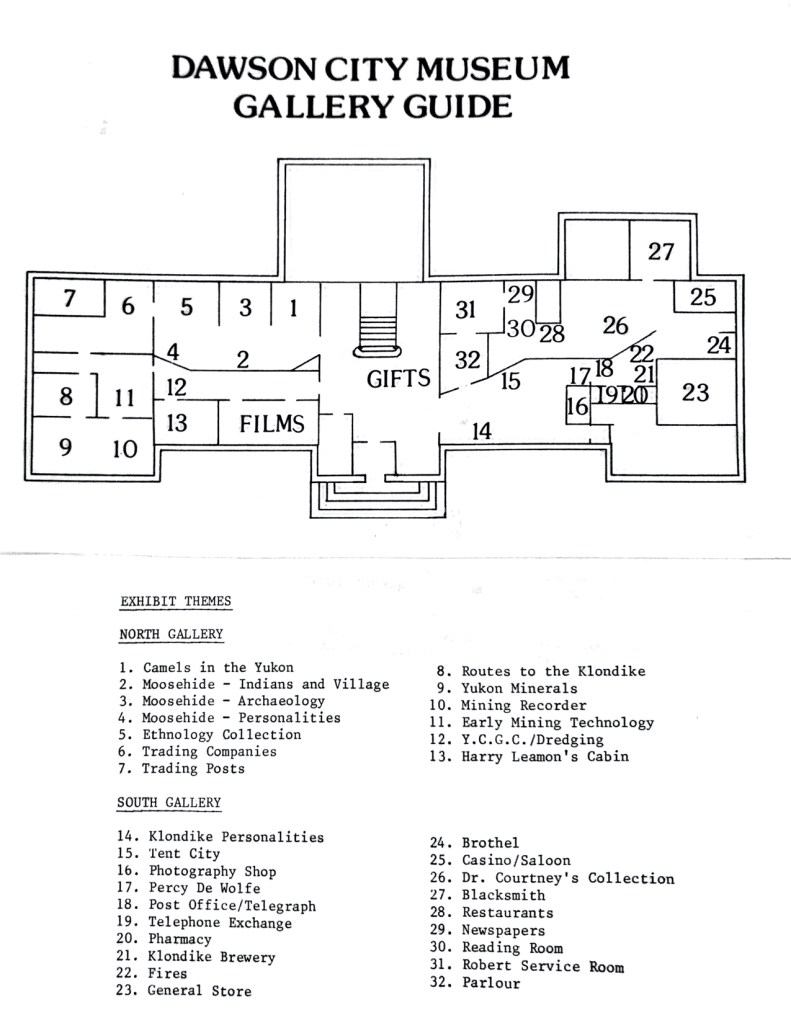
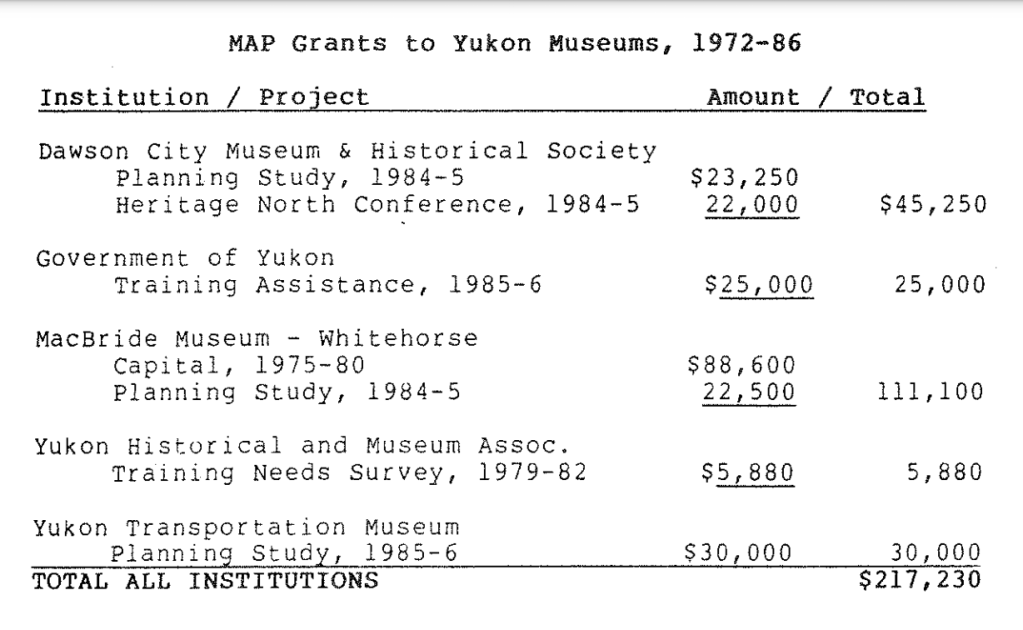


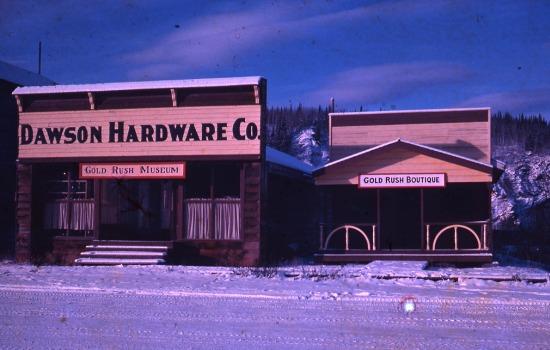
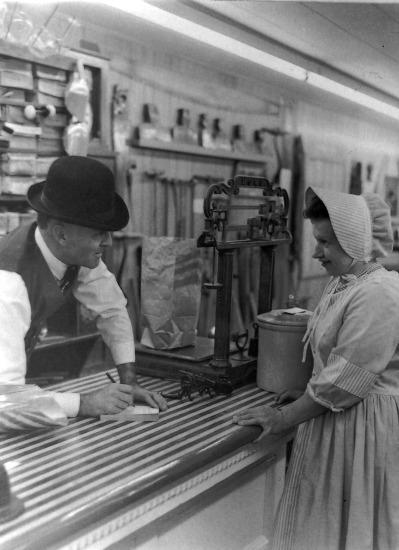


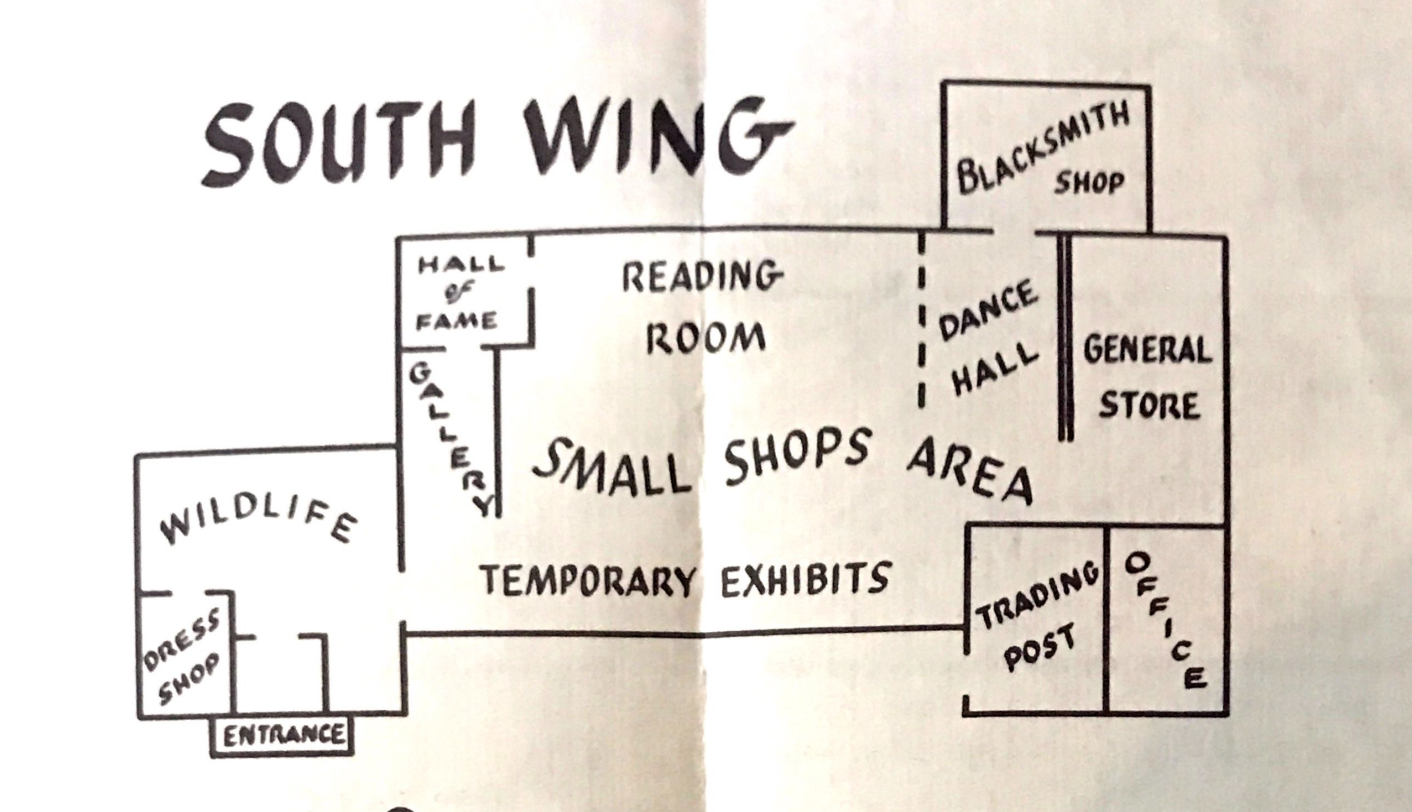
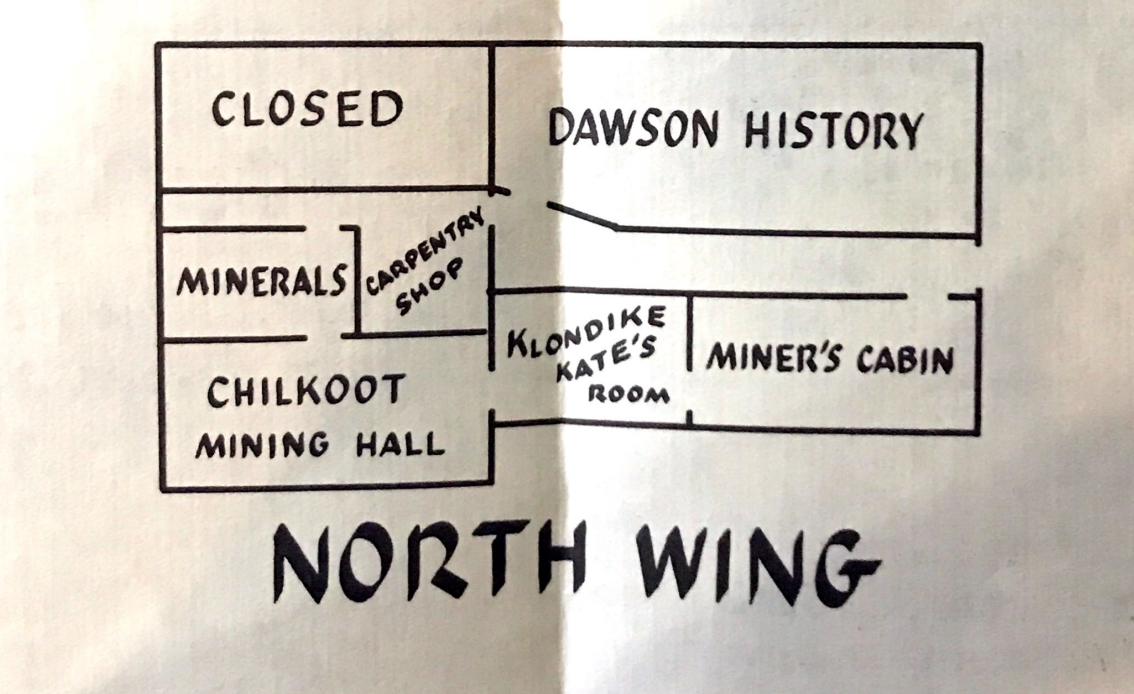




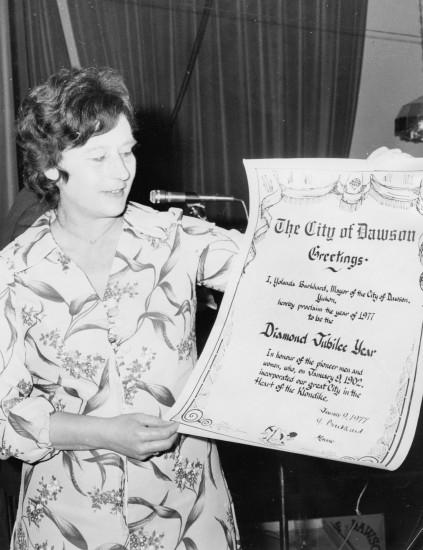



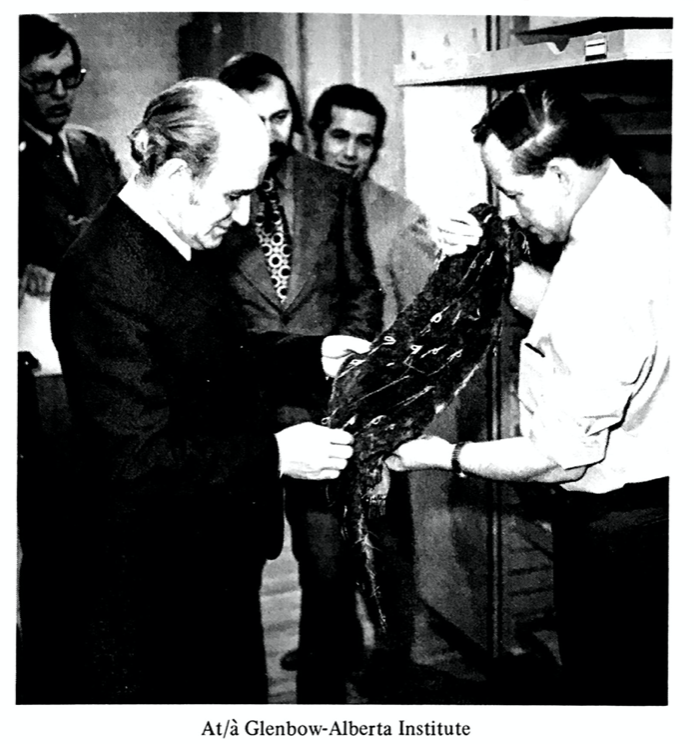


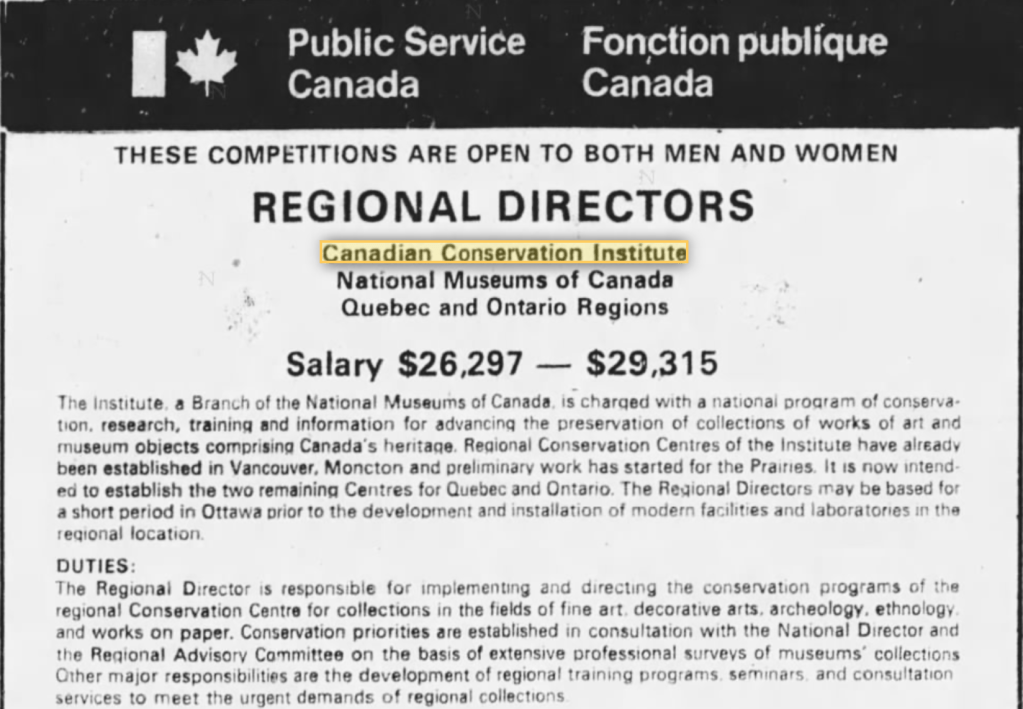

 Museoception